An app can do four jobs for a tabletop game: teach it, play it with you, run it for you, or let you try it before you buy the box. Catan Universe and Exploding Kittens put the whole game on a screen. Chronicles of Crime and Mansions of Madness build the app into the table. Each one has a lesson for anyone making a game.
Board games and phones used to compete for the same evening. Now plenty of tables have both. Some games give you a full digital version. Others hand a job, like running the story or keeping the clock, to an app. Here are four examples and what they show about design, whether you are making a card game, a video game or something in between.
Catan Universe: a free way onto the island
Catan is the classic gateway game for strategy fans, and Catan Universe is its official digital version. It is a standalone game rather than a helper for the box on your shelf. You can play online or against the computer, and it started out free to play, with the full base game and expansions sold as in app purchases.
For a new player, that changes the first hour. The app enforces the rules, so trading and resource management click by playing, not by reading a rulebook.
Learning is the hard part of a strategy game. Ask what a first time player should understand in the first ten minutes, and who or what is going to teach them.
Exploding Kittens: same chaos, smaller table
Exploding Kittens is a fast card game of luck and betrayal, and it has official mobile versions too. You can play online, against the computer, or with friends in the same room. The digital version also includes cards that are not in the box.
The rules fit in a couple of minutes, which is exactly why the game travels so well between a table and a screen.
Simple rules move easily from one platform to another. If your game takes two minutes to explain, you can add small extras on any format without changing what makes it fun.

Chronicles of Crime: your phone becomes the detective kit
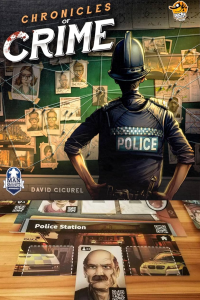
In Chronicles of Crime, the app runs the investigation. Every location, character and evidence card has a QR code. Scan a location to go there, scan a person to question them, scan evidence to pick up a clue. Crime scenes can open in a 360 degree view on your phone, and optional clip on VR glasses are available.
Everything you do spends time on a clock that affects your final score, so the table feels the pressure too.
The cards give players something to hold and argue over, and the app keeps the story moving. Notice how little friction there is: one scan, one result. If your game mixes formats, make every step between them that easy.
Mansions of Madness: the app is the game master
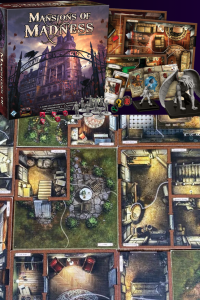
The second edition of Mansions of Madness replaced the human Keeper with an app. The app builds the map, places monsters and items, triggers events and runs the puzzles. Everyone at the table plays the investigators, and the game can even be played solo.
That removes the old problem of one player running the show while everyone else has the fun.
Software is great at bookkeeping and hidden information. Ask which jobs in your game belong to people and which a tool could take over, so everyone gets to play.
Why this matters to us
You do not need to build a full mobile game to make something special. Start with a simple question: what is the most confusing or tedious part of my game, and could a tool fix it without taking the fun away?
It is a question we keep asking while we build Studio Showdown, our card game about running an indie game studio. It plays with 2 to 4 players, ages 13 and up, in about 15 to 45 minutes, and it is headed to Kickstarter in late 2026.
A peek at the Studio Showdown deck
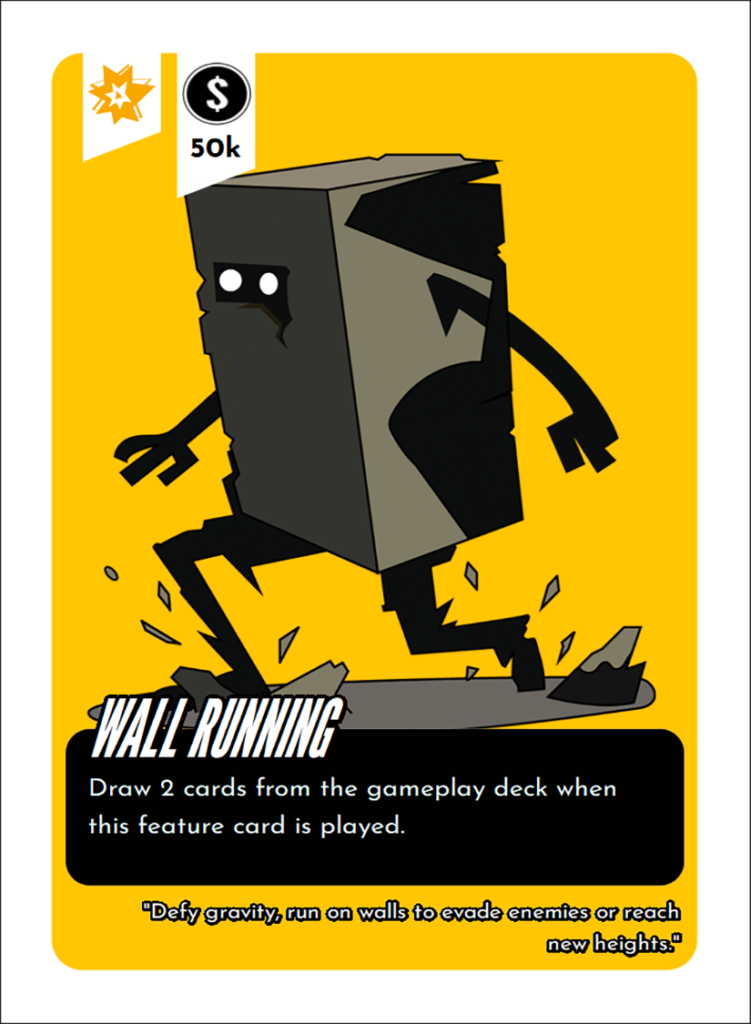
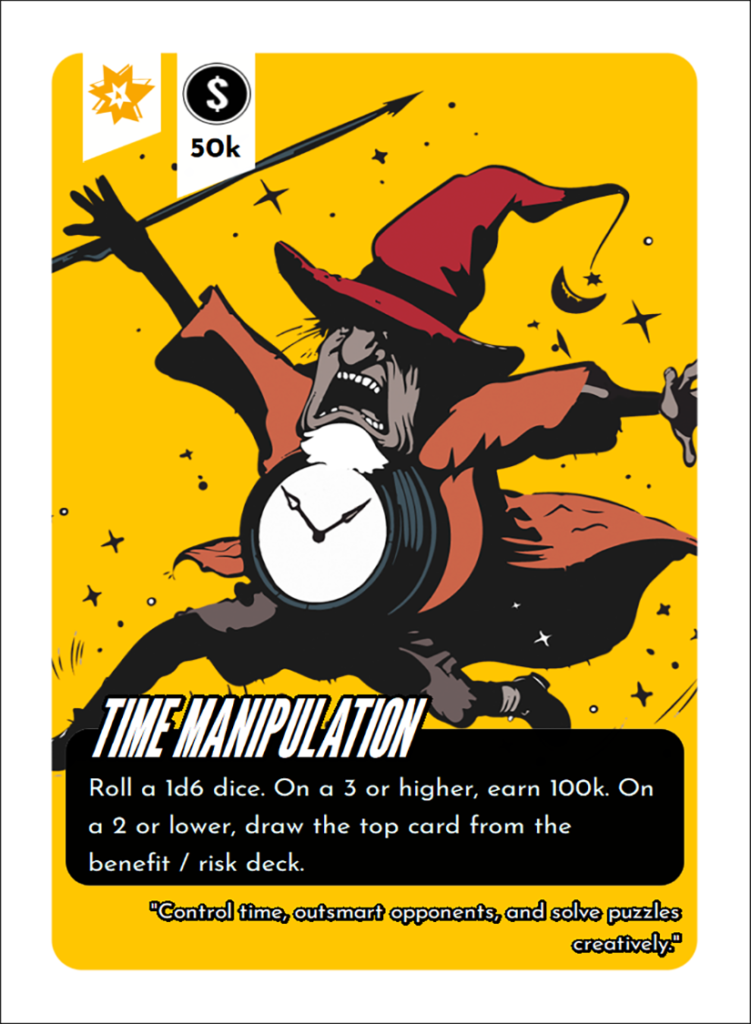
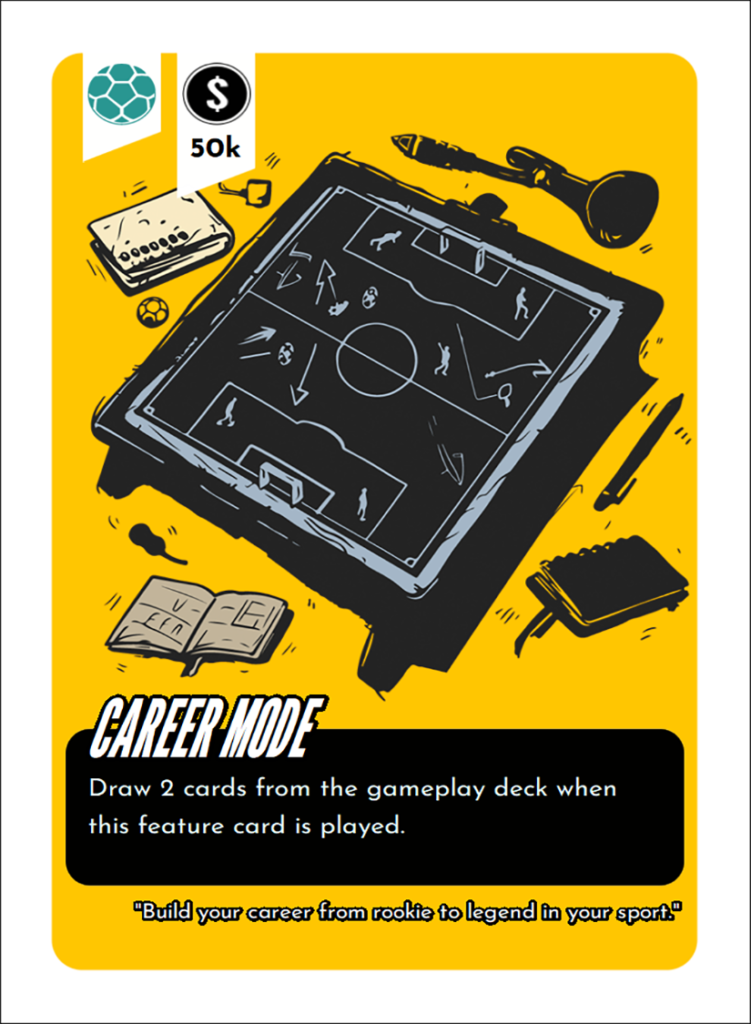
In Studio Showdown you pick features for your game, and the choices matter. Three examples from the Feature deck: