A staggering 50% of students in project-based learning environments report they are no longer bored during the school day. This isn’t just a minor improvement; it’s a total visual victory over classroom apathy. You’ve seen the glazed eyes during lectures on theoretical branding. You know that standard posters and slide decks fail to capture the high-stakes energy of a real-world boardroom. Implementing project based learning for high school marketing is the only way to bridge the gap between abstract concepts and the 2026 business standards that demand immediate, tactical results.
We understand that grading subjective creative work is a headache and finding resources that simulate actual market competition is even harder. This guide transforms your curriculum into a premium business simulation that builds authentic entrepreneurship skills. You’ll learn how to leverage short-form video trends and AI-driven data to create tangible portfolio pieces that impress recruiters. We’re diving into a strategy that reduces chronic absenteeism by 30% and turns every lesson into a high-octane showdown where students don’t just learn; they win.
Key Takeaways
- Ditch the “make-believe” assignments and replace them with authentic, high-stakes experiences that bridge the 2026 student engagement gap.
- Master a two-phase framework for project based learning for high school marketing that prioritizes deep market research and razor-sharp brand positioning.
- Combat modern screen fatigue by integrating tactile, analog resources that foster face-to-face negotiation and social-emotional growth.
- Structure your classroom into rival “Studios” where students take on specialized roles like CMO and Strategist to execute real-world creative visions.
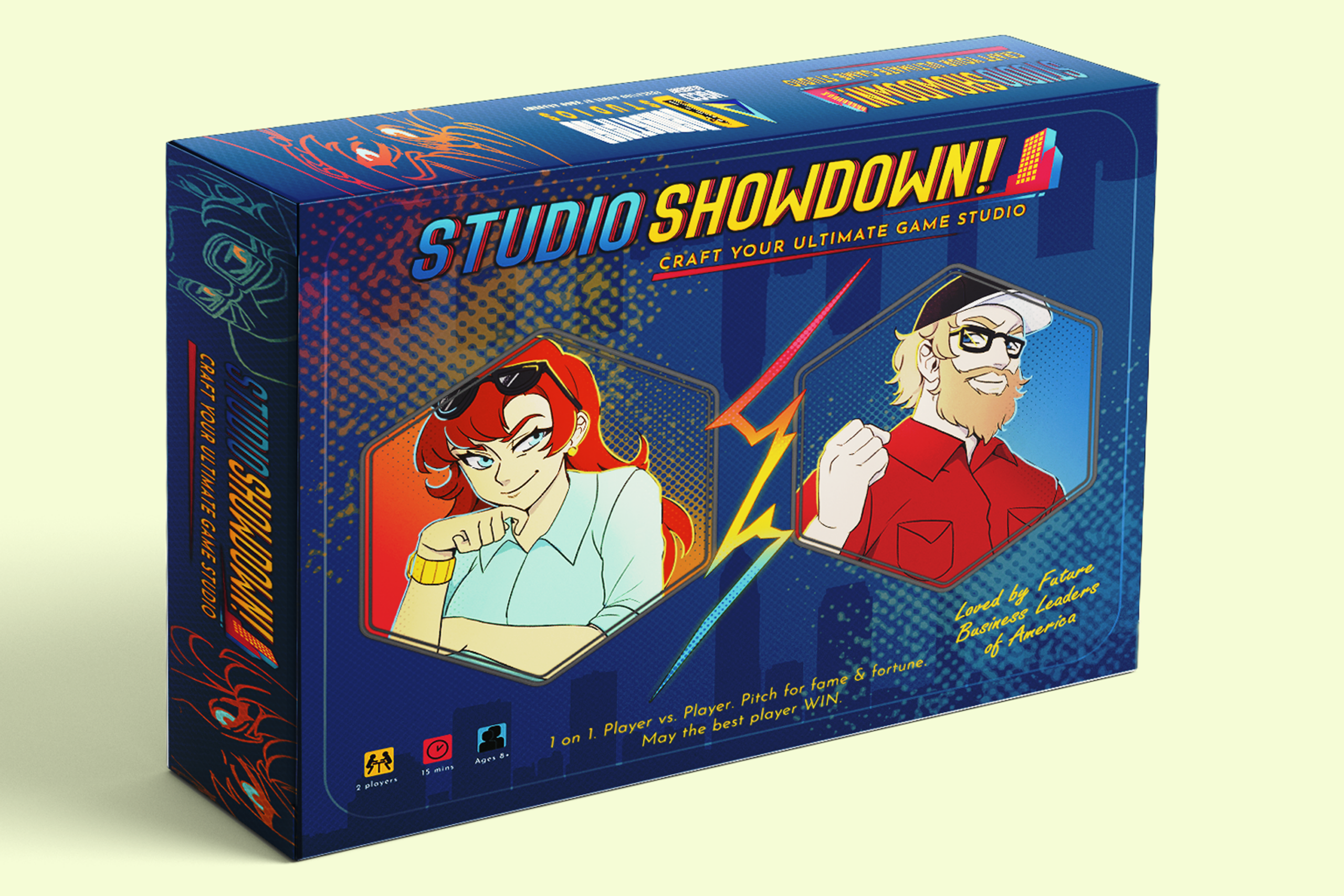
- Discover how the Studio Showdown Board Game provides a ready-made simulation for mastering fundraising, pitching, and total market dominance.
Why Traditional High School Marketing Projects Need a ‘Showdown’ Upgrade
Marketing isn’t a theory. It’s a high-stakes production. Traditional assignments often feel like a script without a director; they lack the pulse of a real market. Project-based learning in marketing changes the narrative. It’s a pedagogical framework where students solve authentic branding and sales challenges. By 2026, the engagement gap has widened. Gen Z students don’t want make-believe scenarios. They want skin in the game. They want a showdown. Passive learning is a visual failure. Active entrepreneurship is the win.
Most curricula treat marketing as a series of definitions to be memorized. This approach is a disservice to the creative energy of modern students. Project based learning for high school marketing flips the script. It moves the focus from the textbook to the marketplace. Competition is the missing ingredient in most lesson plans. Without a rival, a marketing plan is just a document. With a rival, it’s a strategy for dominance. This intensity is what prepares students for a career in a digital-first economy.
Beyond the Poster Board: The Engagement Crisis
Poster boards are dead. They’re silent. They don’t talk back when a competitor steals your audience. Static assignments fail to teach the volatility of real-world markets where trends shift in seconds. When you implement project based learning for high school marketing, you introduce stakes. These stakes transform the classroom psychology. Students stop “completing a task” to please a teacher. They start “winning a market” to beat their peers. This shift is vital. Data from 2021 shows that 75% of high school students understand complex concepts better through PBL than through standard lectures. They need the friction of competition to sharpen their vision.
The Rise of Career and Technical Education (CTE) Excellence
Modern Career and Technical Education demands more than just basic competency. It requires a professional portfolio. High-impact PBL aligns with national standards, such as the Georgia Standards of Excellence, by emphasizing real-world application. We’re moving beyond simple “awareness” projects. Competitors often suggest passive tasks like “marketing a city,” but these lack the “pivot or perish” reality of business. Students need to manage budgets, analyze short-form video metrics, and refine their unique value propositions. By integrating financial literacy into the creative process, we ensure students don’t just design; they calculate. They don’t just post; they produce results. This level of professional rigor turns a classroom into a premium production house.
The Anatomy of a High-Impact Marketing PBL Framework
High-impact marketing isn’t about filling out meeting minutes or memorizing definitions. It’s about vision, execution, and victory. Effective project based learning for high school marketing requires a structured, four-phase framework that mirrors a professional production house. To truly grasp What is Project Based Learning?, one must view it as a dynamic battle for market share rather than a static classroom assignment. This approach ensures students don’t just learn about the industry; they inhabit it.
We break the process into four distinct stages of a creative showdown. First, students dive into Market Research to find the cracks in the competition. Second, they move into Branding and Positioning to build a visual identity that commands attention. Third, Tactical Execution forces them to manage real budgets and ad spend. Finally, they reach The Showdown, where they present results and attempt to outmaneuver rival student studios. This isn’t just a project. It’s a high-stakes business simulation.
Market Research and Competitive Analysis
Identifying market gaps serves as the essential foundation for any successful PBL launch. Students must learn to look past the obvious and identify “blue ocean” opportunities where competitors are weak or absent. Instead of administrative tasks, they analyze rival tactics to inform their own strategy. They identify what the visual noise is missing. By 2026, data-driven insights are the only way to survive. If your students can’t find the gap, they can’t win the market.
Strategic Branding and Product Positioning
Aesthetics are a weapon. In a world of infinite scrolling, a brand that doesn’t stand out is already dead. We teach students the art of the Unique Selling Proposition (USP). It’s the core of their creative concept. They must craft a brand voice that resonates with a specific target audience while maintaining a premium feel. Project based learning for high school marketing succeeds when students realize that every color choice, font, and slogan is a tactical decision in a larger campaign. They aren’t just making a logo; they’re building an empire.
The Pitch: Marketing as a Fundraising Tool
Marketing success is directly linked to investor confidence. If the branding is weak, the funding disappears. This phase teaches students the brutal financial consequences of poor creative choices. It aligns perfectly with the business board game philosophy, where real-world acumen meets competitive play. Students must pitch their vision to secure “capital,” proving that their strategy can dominate the landscape. When they see the connection between a sharp pitch and a healthy budget, the lesson sticks. You can start building this competitive edge today by exploring our premium educator resources to see how we turn classrooms into creative powerhouses.

Digital vs. Analog: Why Board Games are the Ultimate PBL Resource
Screen fatigue is the new classroom epidemic. In 2026, students are saturated with digital noise, making it harder for any marketing message to pierce through the static. Analog learning isn’t a step back; it’s a tactical pivot. Physical board games provide a level of visibility into student decision-making that digital dashboards simply can’t match. When a student moves a token or plays a card, they aren’t just clicking a button. They’re making a visible, physical commitment to a strategy. This tactile approach is the future of project based learning for high school marketing. It turns abstract branding into a physical struggle for dominance.
We’ve seen how theoretical projects often lose momentum. Board games solve this by creating a self-contained ecosystem of consequences. There’s no “simulated” result that a teacher has to invent. The results are on the table. This visibility allows educators to intervene at the exact moment a strategic error occurs, turning a mistake into a premium learning opportunity. By stripping away the screen, we force students to engage with the raw mechanics of business and the humans sitting across from them.
The Tactical Advantage of Tabletop Simulations
Tabletop simulations offer immediate, real-time feedback loops. There’s no lag. When a rival “studio” captures a market segment, the impact is felt instantly across the board. Physical components like cards and tokens make complex marketing concepts concrete. A budget isn’t just a number on a spreadsheet; it’s a stack of resources that can be depleted. This encourages screen-free critical thinking, forcing high schoolers to look their competitors in the eye. While projects like Marketing My City provide a solid foundation for service-based learning, adding a competitive tabletop layer elevates the experience from a task to a showdown.
Negotiation and Interpersonal Marketing
Marketing is 90% psychology. You can’t teach the nuance of a high-pressure negotiation through an app. In an analog setting, students must sell their ideas to peers who have their own conflicting goals. They learn to read body language, detect hesitation, and pivot their pitch on the fly. This is Social Emotional Learning (SEL) in its most aggressive, effective form. It’s about empathy and rivalry coexisting in a controlled environment. For a deeper dive into these competitive mechanics, check out our strategy board games guide.
Implementing project based learning for high school marketing through physical simulations ensures every student is an active participant in the creative process. The Studio Showdown model simulates the cutthroat video game production industry without requiring a single monitor. It allows students to experience the “can-do” attitude of a modern production house. They manage the creative concept, handle the fundraising, and navigate the market wars. This is how you build a premium classroom experience that students actually remember. It’s not just another assignment; it’s a visual victory for your curriculum.
Step-by-Step: Implementing a Marketing Simulation in Your Classroom
Marketing is a battle. Your classroom is the arena. To move beyond the static assignments of the past, you must build a structure that rewards agility and creative courage. Implementing project based learning for high school marketing isn’t just about changing the syllabus; it’s about changing the culture. When students enter your room, they should feel like they’re stepping into a high-stakes production house where every choice has a visible impact on their market share.
Follow this four-step tactical plan to launch your first marketing simulation:
- Step 1: Divide and Conquer. Split the class into rival “Studios.” These aren’t just groups; they are competing brands with distinct market goals and unique visual identities.
- Step 2: Assign Strategic Roles. Every student needs a mission. Assign roles like Chief Marketing Officer (CMO), Creative Director, and Strategist. This ensures accountability and mirrors the professional hierarchy of a real agency.
- Step 3: Deploy Market Disruptors. Just as students get comfortable, throw a wrench in their plans. Introduce “Disruptor Cards” like a sudden shift in the AI algorithm or a viral trend on short-form video platforms. Force them to pivot.
- Step 4: The Final Showdown. Host a high-energy event where studios pitch their results to a panel of “investors.” The winner takes the market.
Setting the Stage: Defining Rivalries
A great simulation requires tension. When grouping students, balance your “Studios” by mixing analytical minds with creative visionaries. This diversity reflects the 88% of teachers who believe that PBL develops essential life skills that traditional curricula miss. Establish clear rules of engagement and a market calendar with non-negotiable deadlines. These constraints don’t stifle creativity; they fuel it. A tight deadline is often the difference between a mediocre idea and a premium concept.
Managing the Workflow and Iteration
Professional marketing isn’t a “one and done” task. Continuous refinement based on market feedback is the heartbeat of professional marketing success. Use mid-cycle feedback loops to challenge student assumptions. Don’t just grade the final pitch. Grade the “pivot”-how well they adjusted their strategy when the market moved against them. This process-oriented grading aligns with the “can-do” attitude needed in modern business. To see this simulation in action with a ready-made framework, explore our Classroom Bundle and turn your next unit into a visual victory. By rewarding the struggle of iteration, you prepare students for the 30% pass rate increase seen in PBL-based advanced courses. You aren’t just teaching marketing; you’re producing marketers.
Studio Showdown: The Definitive PBL Solution for Marketing Educators
Theory is a starting point. Execution is the finish line. Studio Showdown is the ultimate strategy game designed to anchor project based learning for high school marketing in a high-stakes, competitive reality. It isn’t just a classroom activity. It’s a premium business simulation where students act as studio founders to launch hit titles, manage budgets, and crush the competition. This approach moves beyond the “make-believe” assignments that 50% of students find boring, replacing them with a dynamic battle for market dominance.
The mechanics are immersive. Students must master the art of the pitch to secure funding and use tactical marketing to navigate market wars. This isn’t about passive observation. It’s about active decision-making. By simulating the cutthroat video game production industry, Studio Showdown forces students to build professional portfolios that showcase real-world acumen. They learn to handle market disruptors and rival studios with a “can-do” attitude that translates directly to 2026 business standards. It turns every desk into a production house and every student into a strategist.
From Theory to Tabletop: The Studio Showdown Experience
Outmaneuvering rivals is the ultimate test of business intuition. In this simulation, students don’t just “create an ad.” They launch a brand. They manage the entire creative concept from production to impact. For educators, the benefit is clear: reduced prep time. We’ve built a pre-packaged, high-stakes environment that meets curriculum goals without the administrative burden. It allows you to step into the role of a creative director or mentor, guiding your students through visual victories instead of grading static posters. Project based learning for high school marketing becomes seamless when the framework is already built for success.
Educator Tools and Classroom Bundles for 2026
Scaling a simulation across multiple periods requires the right equipment. Our Classroom Bundles are designed for full implementation, ensuring every student has a seat at the table. We also provide the Studio Showdown: Educator Edition, which includes specialized resources to align gameplay with CTE standards. This isn’t just about playing a game; it’s about mastering game-based learning through professional development. You’ll join a community of educators who are elevating their curriculum above the visual noise of traditional schooling. Ready to transform your marketing classroom? It’s time for a showdown. Equip your classroom with Studio Showdown and watch your students move from learners to leaders.
Win the Market: Your Classroom’s New Creative Era
The days of static poster boards and theoretical branding are over. To thrive in 2026, students must move from “completing assignments” to “dominating markets.” You’ve seen how a structured, four-phase framework turns a standard lesson into a premium production. By embracing tactile simulations, you bridge the engagement gap and foster the face-to-face negotiation skills that digital tools often ignore. Implementing project based learning for high school marketing is the definitive way to ensure your students leave your room with a professional portfolio and a winner’s mindset.
It’s time to elevate your curriculum above the visual noise. Developed by VGCD Academy experts, our resources provide the screen-free, high-stakes environment your students crave. This isn’t just play; it’s a rigorous simulation that aligns with national entrepreneurship standards and prepares every student for the volatility of the real world. Stop managing tasks and start directing a creative powerhouse. Transform your marketing classroom with the Studio Showdown Classroom Bundle today. Your students are ready for the showdown. Give them the tools to win.
Frequently Asked Questions
What are the benefits of project-based learning for high school marketing?
Project-based learning builds career readiness by forcing students to inhabit professional roles rather than just studying them. According to teacher surveys, 88% of educators believe PBL develops essential life skills that traditional curricula miss. This immersive approach ensures students develop the “can-do” attitude required to navigate modern production houses and competitive markets.
How do you assess student performance in a marketing simulation?
Assessment shifts from the final product to the strategic “pivot.” You should grade based on market research depth and the ability to outmaneuver rivals during the showdown phase. Use a rubric that rewards creative courage, tactical agility, and the logic behind their branding decisions rather than just aesthetic appeal.
Can board games really teach marketing skills to high schoolers?
Absolutely. Physical games provide immediate feedback loops that digital tools often miss. They simulate the high-stakes pressure of a real boardroom, teaching students to read body language and refine their pitches in real-time. Tactile simulations turn abstract concepts like market share into a visible, physical struggle for dominance.
How long does a typical marketing PBL unit take to complete?
A high-impact project based learning for high school marketing unit typically runs between 10 and 15 class periods. This timeline provides enough space for deep market research, visual brand development, and the final competitive showdown. Shorter units often fail to capture the necessary depth of the iteration process.
What is the difference between a project and project-based learning?
A project is usually a task assigned at the end of a unit to summarize learning. Project-based learning is the unit itself. In PBL, the struggle to solve a branding crisis is where the learning happens. Students don’t just “make a poster”; they build a strategy to survive a volatile market.
How can I integrate financial literacy into a marketing project?
Connect every creative choice to a resource cost. In a simulation, students must manage fundraising and allocate limited budgets for ad spend. This makes the financial consequences of poor branding visible and immediate. When a student sees their “capital” vanish due to a weak pitch, the lesson on ROI sticks.
What materials are needed for a high school marketing simulation?
You need market calendars, role-specific cards, and a competitive framework to track market share. The Studio Showdown Classroom Bundle provides all these tactile components in a pre-packaged format. This eliminates the need for teachers to invent their own mechanics and reduces prep time significantly.
Is Studio Showdown suitable for students with no game design experience?
No prior experience is necessary to excel. The mechanics are designed for intuitive, fast-paced play that focuses on business acumen rather than complex rules. Students can dive into marketing strategy and market dominance from the very first turn, regardless of their background in gaming or production.