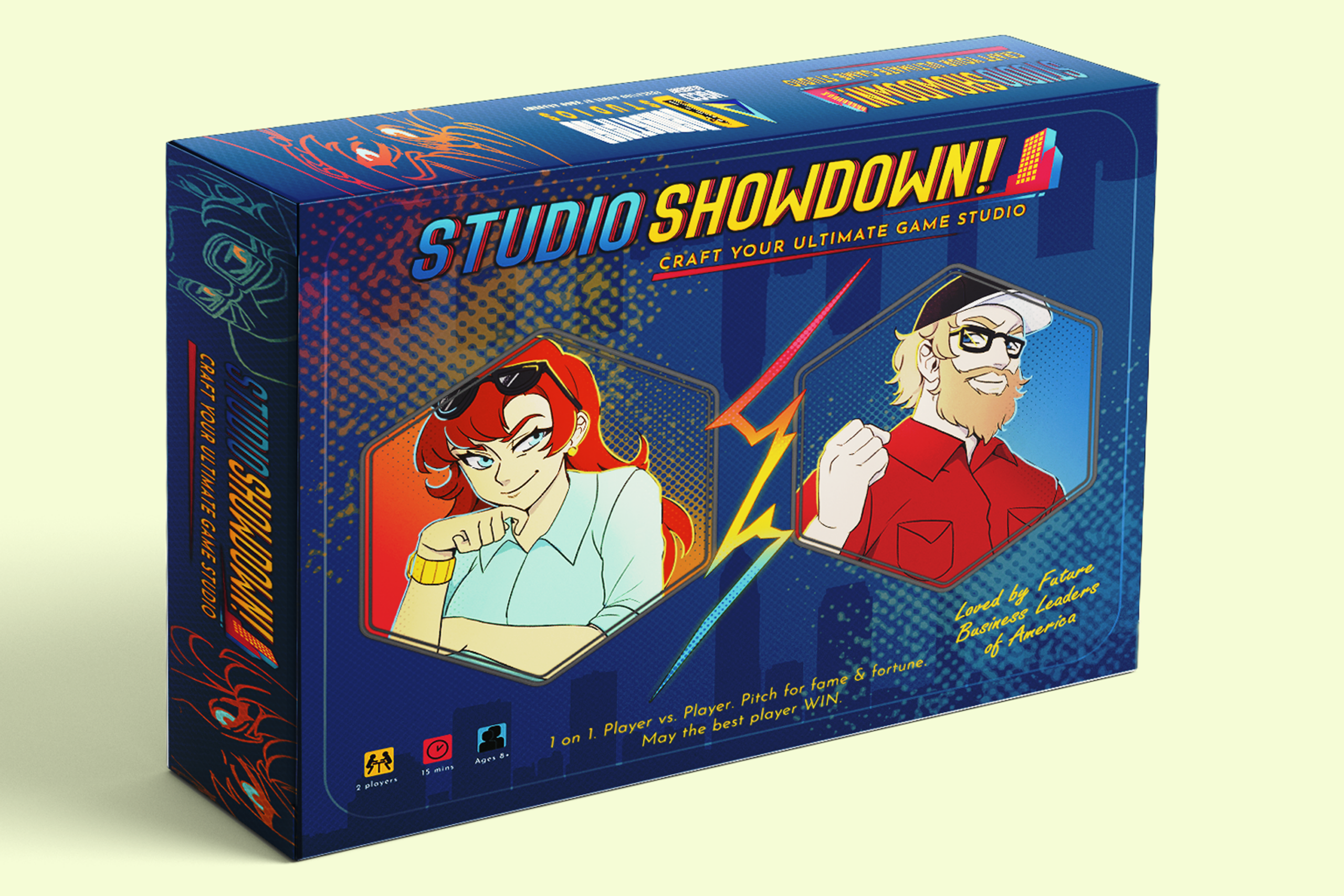
The most expensive mistake you can make in Studio Showdown is thinking like a developer instead of a shark. While your rival obsesses over production, the real victors treat every card as a cold, calculated investment. It’s frustrating to hit a capital wall mid-development or lose a critical pitch because your studio location lacked leverage. We’ve all been there. This Studio Showdown advanced strategy guide fixes that.
You’ll learn to master the fundraising phase, secure high-stakes funding, and build a portfolio that commands respect. We’re breaking down the elite tactics used to dominate the 2-player 2026 market. Vision. Production. Impact. Everything you need to ensure your next 45-minute showdown ends in a definitive win. It’s time to stop playing and start winning.
Key Takeaways
- Align your CEO’s unique specialization with tactical site selection to build a high-performance production engine from the very first turn.
- Apply the “Runway Principle” to optimize your budget, ensuring you secure enough capital to survive the development sprint without losing studio control.
- Master the high-stakes balance between launching an MVP for immediate cash flow and crafting a Masterpiece for total market dominance.
- Leverage this Studio Showdown advanced strategy guide to dominate psychological pitching and neutralize rival maneuvers before they can devalue your vision.
- Scale your empire through strategic reinvestment cycles that transform a single “Big Hit” into a diversified, market-leading portfolio.
The Founder’s Edge: Advanced CEO and Site Selection Strategy
Your studio’s identity is forged in the first sixty seconds of the match. In this 2-player showdown, the opening move isn’t just a setup; it’s a declaration of war. Most players treat the CEO and site selection as a flavor choice. They’re wrong. This Studio Showdown advanced strategy guide treats these initial steps as the foundation of your entire production engine. If you misalign your founder’s vision with your physical headquarters, you’ll spend the next 45 minutes fighting your own mechanics instead of your rival.
Synergizing CEO Traits with Business Goals
Every CEO in Studio Showdown offers a specialization that dictates your optimal path to victory. You must identify whether you’re playing as the Aggressive Founder or the Efficient Manager. The Aggressive Founder thrives on speed. They use bonuses to slash development times, aiming to flood the market with multiple titles before the opponent can secure their first major funding round. Conversely, the Efficient Manager focuses on margins. They turn every dollar of capital into a high-impact production, ensuring that even a small portfolio carries massive weight during the pitch phase.
Like the most sophisticated business simulation games, this tabletop experience rewards those who calculate the hidden ROI of every trait bonus before the first card hits the table. A 10% bonus to R&D might seem small, but over a 15 to 45 minute game, it compounds into an extra project your rival can’t match. The ‘Perfect Start’ is the alignment of CEO traits and location perks. Don’t pick a high-cost CEO if your strategy relies on low-rent, rapid prototyping.
Geography of Success: Site Selection Meta
Site selection acts as your tactical anchor. A high-cost studio location in a premium tech hub offers a higher fundraising ceiling, but it puts immediate pressure on your cash flow. You’re forced to pitch early and often just to keep the lights on. Low-cost locations favor the “Garage Startup” meta. These sites are perfect for rapid prototyping and building a deep portfolio of smaller games that can be leveraged later for a massive exit. Your site dictates your initial fundraising ceiling; choose poorly, and you’ll hit a capital wall before your first masterpiece is finished.
- High-Rent Hubs: Best for “All-In” strategies where you aim for one massive, high-budget launch.
- Low-Cost Satellites: Ideal for volume-based playstyles and aggressive market saturation.
- Rival Counters: If your opponent picks a site that favors high-budget launches, choose a location that allows for faster, cheaper projects to disrupt their timeline.
The ‘Starting Edge’ multiplier is about snowballing. If your site provides an initial bonus to marketing, your first two turns must focus on building hype. Use those turns to create a lead that forces your rival into a reactive state. By evaluating your opponent’s site choice immediately, you can identify their threat level. A rival who picks a high-efficiency site is planning a long-term empire; you’ll need to use your founder’s edge to strike fast and break their momentum before their reinvestment cycle begins.
Capital Acquisition: Advanced Fundraising and Budget Optimization
Money is the heartbeat of your studio. In this Studio Showdown advanced strategy guide, we move beyond basic resource management into the cutthroat world of venture capital. You don’t just need money; you need a runway. This principle dictates how many turns you can survive development before your studio’s cash reserves hit zero. Top players calculate this burn rate with surgical precision, ensuring they never enter a pitch phase out of desperation. Desperation is a scent rivals pick up instantly. Raise. Build. Dominate.
Understanding how venture capitalists make decisions in the real world provides a massive edge during the game’s fundraising phase. In-game investors value specific milestones: a completed MVP, a unique IP, or a strategic site location. When your studio valuation is high, push for maximum funding. If you’re early in the cycle, maintain control. It’s often better to have 100% of a successful indie project than 20% of a bloated masterpiece that never launches.
The Math of the Raise
Different genres demand different financial strategies. An RPG requires a heavy upfront investment in quality cards, while a mobile-style title thrives on low-cost, high-volume production. Use the concepts from the Ultimate Business Board Game to manage your cash flow effectively. Always keep a war chest. A reserve of capital allows for defensive maneuvers, like snatching a key developer card away from a rival or surviving a failed fundraising round without losing your production momentum.
Leveraging Game Changers for Financial Impact
Not all dev updates are created equal. Focus your budget on ‘Game Changers’ that provide the highest boost to your studio’s valuation. These are the cards that turn a mediocre pitch into a legendary one. Timing is everything. Drop your ‘insider info’ or marketing boosts during investor interest phases to maximize the impact of your raise. This level of financial literacy allows you to outpace ‘Easy Money’ players who spend their entire starting budget by turn three. Mastering these financial cycles is the first step to becoming a boardroom legend.
If a fundraising round fails, don’t panic. Pivot. Use your remaining capital to downsize a project into an MVP or sell off minor assets to regain liquidity. Victory in Studio Showdown isn’t about avoiding risks; it’s about making sure your studio is resilient enough to survive them. Every failed pitch is just data for your next win. Stay focused, stay liquid, and keep the production line moving.

The Development Sprint: Balancing Quality, Cost, and Launch Windows
Execution is where vision meets the grind. In this Studio Showdown advanced strategy guide, we analyze the transition from raising capital to burning it. The development sprint is a high-stakes balancing act. You aren’t just building a game; you’re managing a ticking clock. Every turn spent in production is a turn your rival uses to seize market share. Winning requires you to decide between the immediate cash flow of an MVP or the long-term dominance of a Masterpiece.
A Masterpiece commands higher multipliers during the pitch phase, but it leaves you vulnerable to a capital dry-up. Launching an MVP (Minimum Viable Product) early provides the liquidity needed to fund your next three projects. Elite players manage a dev pipeline that keeps multiple projects moving simultaneously. They never overextend. If one project stalls, another is ready to hit the market. This prevents the stagnation that kills momentum in a fast-paced 45-minute match. Every card played must serve the production timeline or disrupt your rival’s flow.
Navigating Feature Creep
Feature creep is a silent studio killer. Adding “one more feature” might feel like adding value, but it often just extends your launch window and drains your war chest. Use competitive analysis to monitor your rival’s quality. If your current build already beats their best pitch, launch it immediately. The Golden Launch Window is the precise moment where market demand meets your current build quality; missing it by even one turn can cost you the lead. It’s better to ship a polished product today than a perfect one next week when the market has already moved on.
Market Timing and Niche Saturation
Strategic positioning is about finding “Blue Ocean” genres. If your opponent is flooding the market with RPGs, don’t compete for the same investors. Pivot. Use an entrepreneurial strategy compass to find untapped niches where your studio can be the undisputed leader. If a rival launches a similar title first, don’t double down on a losing battle. Reallocate your resources and pivot your development toward a different market segment to maintain your valuation and impact.
The “Crunch” tactic is your secret weapon for market dominance. Use high-intensity turns to accelerate production and beat a rival to a specific niche. It’s a tactical strike. By saturating a niche first, you force your opponent to either launch a subpar product or abandon their project entirely. This is the “Showdown” meta in action. You don’t just win by being better; you win by being faster and more decisive in your launch cycles. Quality control is the final touch. A polished game ensures your multipliers are maximized, turning a standard release into a market-dominating hit.
The Pitching Masterclass: Dominating the Market and Rival Counter-Plays
The pitch isn’t just a presentation; it’s a heist. In this Studio Showdown advanced strategy guide, we strip away the fluff to focus on psychological dominance. You aren’t just selling a game. You’re selling a vision that makes your rival’s project look like a student demo. Reading the board is crucial. Investors in this 2-player arena represent shifting mechanics. One turn they crave technical innovation; the next, they’re hunting for market reach. If you can’t read these shifts, your pitch will fall flat regardless of your budget.
5 Steps to a Flawless Studio Pitch
- Quantify Value: Don’t just say your game is good. Prove it by aligning your build with current market trends.
- Founder’s Edge: Lead with your CEO’s unique specialization to build instant authority before showing the numbers.
- Deploy Comparables: Show why your production is the premium choice compared to your rival’s mediocre output.
- Kill Objections: Address high development costs or risky genres before the game mechanics penalize your valuation.
- Call the Showdown: Force your opponent to match your energy or fold under the pressure of a high-stakes sale.
Outsmarting the Competition
Winning the pitch requires you to think three turns ahead. You can use strategy board games logic to predict exactly when your rival will attempt their big raise. Identify their “Pitch Weakness.” Maybe they’ve overextended their capital or picked a site that lacks synergy with their current genre. This is your opening. Use the Comparables Edge to devalue their pitch by highlighting your superior cost-to-quality ratio. If they can’t defend their margins, they can’t win the deal.
The “Silent Founder” strategy is another elite move. Mask your true game value by withholding high-impact dev updates until the final phase. This prevents your rival from countering your move early. When you’re forced to go second in a head-to-head showdown, use your rival’s pitch as a baseline. Pivot your narrative to highlight the gaps they left behind. If they focused on tech, you focus on storytelling. If they focused on volume, you focus on the premium experience. This ensures you always have the final, most impactful word in the 15 to 45 minute experience.
Mastering these psychological levers turns the pitch from a gamble into a guaranteed win. Ready to lead the boardroom? Secure your copy of Studio Showdown and start dominating the development market today.
Scaling Your Empire: Advanced Portfolio and Long-Term Business Planning
A single hit makes you a developer. A diversified portfolio makes you a mogul. In this final chapter of our Studio Showdown advanced strategy guide, we shift focus from surviving the sprint to winning the marathon. Scaling isn’t about doing the same thing twice. It’s about targeting different market segments to ensure your studio remains relevant regardless of investor mood swings. If your first project was a high-volume mobile title, your second should be a premium, high-fidelity masterpiece. This strategy protects your studio from niche saturation and forces your rival to defend on multiple fronts.
Reinvestment cycles are the engine of long-term dominance. After your first “Big Hit,” the temptation is to overexpand immediately. Instead, allocate 40% of your profits to R&D for technical upgrades and 60% to infrastructure. This balance ensures your next production is cheaper to build while reaching a larger audience. You’re building a “Legacy Studio” mindset. When your brand carries this much weight, even an average pitch can secure funding because your track record does the heavy lifting. You aren’t just playing turns; you’re building an institution that survives the visual noise of the competition.
Managing Multi-Game Success
Elite players never start from scratch. They leverage technical assets from their first launch to slash development costs on their second. This “franchise” approach allows you to stack bonuses across multiple turns, creating a snowball effect that your rival simply can’t match. As detailed in Beyond the Easy Money Game, deep strategy beats quick, shallow wins every time. Focus on cumulative advantages. Every card played today should make your games easier, faster, and more profitable to build tomorrow.
The Final Showdown: Securing the Win
The final rounds of the 2-player 2026 meta are about the victory point spread. You must calculate the exact impact needed to overcome a late-game rival surge. If you hold a lead, shift to a defensive posture. Block your rival’s access to key market niches and protect your capital. If you’re trailing, it’s time for a “Hail Mary” pitch. Dump every remaining dollar into a final, high-impact development update to maximize your studio’s valuation. Any resource left in your war chest at the end of the 45-minute experience is a wasted opportunity. Impact is everything. Secure the win, build the legacy, and dominate the market.
Claim Your Throne in the Boardroom
Winning the 2026 development market requires more than just creative vision. It demands the ruthless capital efficiency and psychological dominance outlined in this Studio Showdown advanced strategy guide. You now have the blueprint to align your founder’s edge, manage a high-stakes runway, and crush the pitch phase with surgical precision. This isn’t just a game. It’s a high-impact simulation designed for those who refuse to settle for mediocrity.
The VGCD Academy uses these exact mechanics to train future studio founders because the business and financial literacy features are authentic. Endorsed by professional game developers and educators, the experience forces you to make the hard choices that define real-world success. You’ve studied the tactics. You’ve seen the path to total market dominance. Now, it’s time to stop theorizing and start producing.
Ready to put these strategies to the test? Shop the Studio Showdown Board Game now!
The market is waiting for its next leader. Don’t let your rival seize the niche first. Step into the arena, execute your vision, and win your showdown today.
Strategic Insights: Frequently Asked Questions
What is the best starting CEO for an aggressive fundraising strategy?
The Aggressive Founder is the premier choice for players who want to dominate the fundraising phase. This CEO specialization allows you to bypass early production hurdles and secure your first major funding round by turn two. This Studio Showdown advanced strategy guide recommends pairing this CEO with a high-rent hub to maximize your initial valuation. It’s about building a high-impact narrative before your rival even sets their first milestone.
How do I recover if a rival studio takes my preferred location?
Pivot immediately to a low-cost satellite location if your rival snatches your preferred site. This allows you to adopt a “volume over value” strategy. You’ll build three smaller projects in the time it takes them to fund one massive title. This tactical shift ensures you maintain momentum without hitting a capital wall. Speed becomes your primary weapon when the premium real estate is off the table.
When should I prioritize ‘Game Changers’ over basic development?
Deploy ‘Game Changers’ only when your project is 80% complete and needs a final valuation boost to win a pitch. Using them too early drains your war chest and leaves you with zero leverage. Save these high-impact cards for the turn immediately preceding a showdown. This maximizes your multiplier and catches your rival off guard when they think they’ve already secured the market lead.
Is it better to launch three small games or one massive ‘Triple-A’ title?
Launching three small games is statistically safer for achieving long-term dominance in the 2-player meta. Multiple launches create 100% more opportunities to trigger reinvestment cycles and diversify your portfolio. While a Triple-A title offers a massive single payout, it leaves your studio vulnerable. A single failed pitch during the 45 minute match can bankrupt a studio that put all its resources into one project.
How do I counter a rival who has more capital than me during a pitch?
Neutralize a rival’s capital advantage by focusing on your studio’s efficiency and ROI. Investors in the game mechanics value sustainability as much as raw funding. During the pitch, emphasize your lean production costs compared to their bloated budget. If you can prove your studio delivers the same impact for less money, their massive capital reserve looks like a management liability rather than an asset.
Can Studio Showdown strategies be applied to real-world game development?
Absolutely. These mechanics are deeply integrated with real-world business principles used by VGCD Academy to train studio founders. The game simulates the 2026 development market with surgical precision. It teaches aspiring creators to manage runways, evaluate site ROI, and master the psychological art of the pitch. Every strategy in this Studio Showdown advanced strategy guide mirrors a legitimate business maneuver used in the industry.
What is the most common mistake intermediate players make in the mid-game?
Feature creep is the most destructive mistake intermediate players make during the development sprint. They often spend three extra turns adding unnecessary quality to a game that already meets market demand. This wastes capital and extends their launch window dangerously. You must learn to launch as soon as your quality beats the rival’s current build. Perfection is the enemy of cash flow and market dominance.
How do I use the ‘Comparables’ mechanic to sabotage a rival’s pitch?
Use the Comparables mechanic to highlight your rival’s inefficient burn rate. If their project cost 40% more to build but yields the same impact as yours, you must point it out. This devalues their pitch by framing them as an inefficient manager. It positions your studio as the premium, high-ROI choice for investors. You don’t just win by being good; you win by making them look bad.