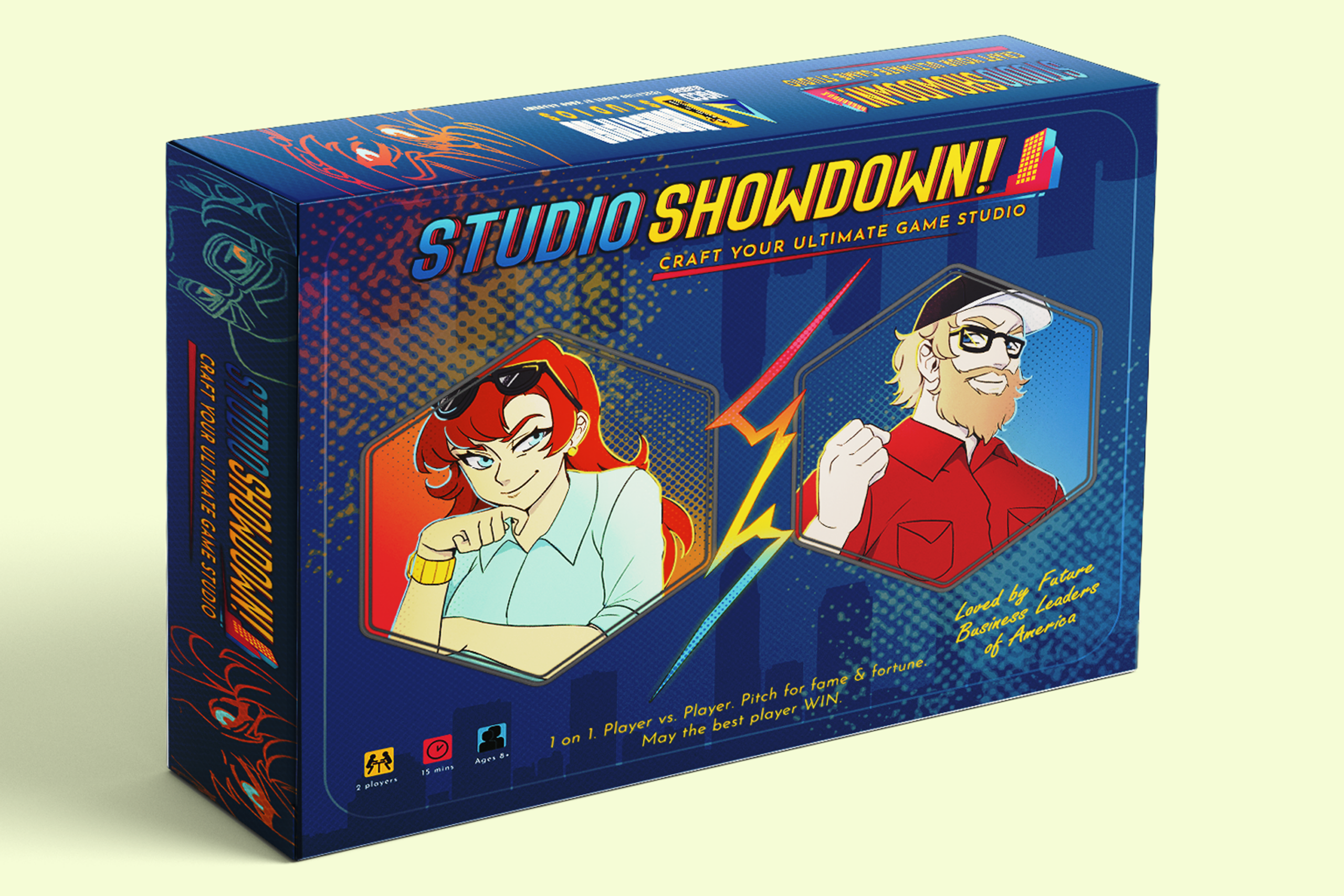
In the high-stakes arena of game development, your technical talent is secondary to tactical aggression. You can build a stunning engine and still watch rivals seize the market if your business plan lacks teeth. Most founders fail because they treat production like a hobby rather than a battle. If you’ve ever lost a crucial funding round or watched your burn rate kill a project, you know the margin for error is razor-thin. Learning how to win Studio Showdown requires more than luck. It demands a calculated synchronization of capital, timing, and creative courage.
You want to see your vision at the top of the leaderboard instead of buried under poor resource management. We know the sting of a rival studio snatching an internship or funding round right as you’re ready to pitch. This guide provides the exact roadmap to master the balance between fundraising and game production. We’ll explore the specific strategies needed to outmaneuver up to three rivals and launch hit games within the intense 45 minute timeframe. It’s time to stop building and start winning.
Key Takeaways
- Shift your perspective from developer to founder to ensure your studio maintains solvency while your rivals burn out.
- Master the high-stakes trade-offs between rapid scaling and equity retention as you learn how to win Studio Showdown through aggressive capital acquisition.
- Weaponize the pitch phase by using psychological tactics to dominate the market and leave competing studios in the visual noise.
- Build a resilient, multi-hit portfolio that turns market-shifting crisis events into opportunities for late-game dominance.
- Translate your tabletop victories into real-world professional success by building a portfolio rooted in proven strategic concepts.
The Founder’s Mindset: Understanding the Core Mechanics of Studio Showdown
Studio Showdown is a battle of business wits. It’s not just a board game; it’s a high-stakes simulation where your creative vision meets the cold reality of the market. To succeed, you must think like an aggressive founder. You aren’t just moving pieces on a board. You’re allocating capital, managing risk, and building a legacy. Operating a studio mirrors the lifecycle of a high-growth startup company, where every move is scrutinized by rivals and investors alike. The primary objective is simple yet brutal: launch a hit game while keeping your studio solvent. If you run out of cash, the game is over. If you don’t innovate, you’re forgotten.
Understanding how to win Studio Showdown requires a perfect balance of three core pillars. You cannot ignore one to favor the others. They work in a tight, recursive loop that defines your studio’s health and market presence. These pillars are:
- Fundraising: Securing the capital necessary to fuel your growth and survive lean months.
- Pitching: Convincing the market and rivals that your vision is the next industry standard.
- Production: Executing on your creative concepts with technical precision and speed.
In this arena, quality and strategy are your only weapons. Mediocrity is the fastest path to bankruptcy. You aren’t just playing against a deck of cards; you’re playing against the ambitions of every other founder at the table. Every decision must be a calculated strike toward dominance.
The Game Loop: Development vs. Entrepreneurship
Every turn is a choice between the forge and the podium. You’ll constantly feel the friction between spending resources on “The Build” and “The Pitch.” Investing too heavily in development creates a masterpiece that no one hears about. Focusing only on the pitch results in a hollow shell that the market will reject. You must synchronize these efforts to maintain momentum. The turn structure forces you to prioritize talent acquisition or marketing blitzes under pressure. The Showdown is the ultimate test of a studio’s market readiness. Mastering this loop is the first step in learning how to win Studio Showdown consistently.
Victory Conditions: Beyond the Final Score
Dominating the leaderboard isn’t just about finishing a project. It’s about building a professional portfolio that commands respect and secures your future. You win by outmaneuvering rivals during critical market shifts. While your competitors focus on mere survival, you must focus on impact. Market dominance isn’t a static score; it’s a dynamic state achieved through superior timing. True victory comes from creating a studio that is too influential and too innovative to ignore. You must adapt to crisis events and pivot when the audience shifts to ensure your portfolio defines the era.
Strategic Fundraising: How to Fuel Your Studio’s Growth
Capital is the oxygen of your production. Without it, your vision remains a sketch on a napkin. In the high-velocity world of game development, cash flow isn’t just a metric. It’s your primary defense against aggressive rivals. To understand how to win Studio Showdown, you must master the art of the raise. You’ll face a constant tug-of-war between bootstrapping your way to a slow, controlled launch or taking on massive investment to blitz the market. Both paths lead to victory, but only if your timing is flawless.
In the game, you have access to various funding tiers that mirror real-world financial cycles. Seed funding offers a quick injection for early hires. Venture capital provides the muscle for AAA titles but demands a slice of your studio’s soul. Choosing the wrong source at the wrong time is a fatal error. If you want to dive deeper into the mechanics of these systems and how they compare to other titles, check out our Ultimate Business Board Game guide. You must decide if you want to be a lean, agile indie or a corporate powerhouse before the first card is played.
Securing Capital Without Losing Control
Early-game momentum depends on your ability to effectively pitch a business idea to the board. Seed funding should be your first target. Use it to lock in top-tier talent before your rivals can react. However, don’t let the adrenaline of a big raise cloud your judgment. Every dollar from an investor comes with strings. If you give away too much equity early, you’ll find yourself winning the market but losing your studio. It’s a psychological game of chicken. You must project confidence even when your reserves are low. This is how to win Studio Showdown: by making investors believe your victory is inevitable.
Managing Burn Rate and Resource Allocation
Bankruptcy is the ultimate “Game Over.” Many founders fail because they scale their production team faster than their funding can support. In a 30 to 45 minute session, every second and every dollar counts. You can’t afford to let your burn rate exceed your runway. Hedge your bets by diversifying your development paths. Don’t put all your capital into a single high-risk project. Instead, maintain a mix of “quick wins” and “moonshots” to ensure a steady stream of revenue. For educators, this mechanic is a perfect tool for teaching financial literacy. It shows students that creativity without fiscal discipline is just an expensive hobby. If you’re ready to test your financial grit, you can secure your copy of the game and start your own studio today.

The Art of the Pitch: Winning Over the Market and Rivals
The pitch is your moment of visual victory. In Studio Showdown, the market phase isn’t a passive wait; it’s an active battle for attention. You’ve spent your turns building. Now, you must sell. Competitors often think speed is the only factor, but a rushed project with a weak pitch will crumble under scrutiny. Understanding how to win Studio Showdown means knowing that your game concept must pierce the visual noise. You aren’t just presenting a product; you’re orchestrating an impact. The market is a predator. It smells hesitation. Don’t give it any. For a deeper dive into tactical positioning across different gaming landscapes, see our Mastering the Board: The 2026 Strategy Guide.
Successful pitching functions as a core competitive mechanic that separates the visionary from the technician. You must read the room. If three other studios are chasing the same “Action” niche, your pitch needs a unique creative hook or a superior production value to dominate. This is where the 30 to 45 minute game duration becomes intense. Every second you spend refining your pitch is a second your rival spends stealing your audience. It’s a high-speed collision of egos and aesthetics where only the most polished concepts survive the 2026 market cycle.
Crafting a High-Impact Game Concept
Creativity in this game operates within rigid strategic constraints. You don’t have the luxury of endless iteration. You must align your studio’s vision with current market demands instantly. This requires balancing “premium” quality with production speed. A 10 out of 10 game that launches too late is a financial disaster. Aim for the “sweet spot” where your technical specs meet the audience’s hunger. Use your creative concept to elevate the project above the mediocre titles your rivals are churning out. In a 2 to 4 player setup, being the most memorable founder is just as important as being the richest.
Strategic Sabotage: Navigating Rival Studios
The Showdown is a noble struggle, but it’s still a struggle. You must know when to play defensively and when to disrupt a rival’s launch. If a competitor is one pitch away from market dominance, use your influence to shift the landscape. This isn’t just about being “mean”; it’s about professional survival. Maintaining a “can-do” attitude is vital when a pitch fails. Don’t sulk. Pivot. A failed pitch is just a data point for your next masterpiece. To discover how to win Studio Showdown, you must remain unfazed by setbacks. Every rejection is an invitation to refine your strategy and return with a production that demands total market surrender.
Advanced Tactics for Late-Game Dominance
The final ten minutes of a session are where legends are forged. You’ve secured your funding and survived the initial launch. Now, you must scale. Managing a single hit game is amateur hour. To truly master how to win Studio Showdown, you need a diverse portfolio that blankets the market and suffocates the competition. This stage requires cold, calculated business acumen. You aren’t just a creator anymore; you’re a mogul directing a production house. It’s a visual victory that requires you to see three turns ahead while your rivals are still struggling with their early-game burn rates.
Crisis events are the great equalizers in the 2026 market landscape. A sudden shift in consumer taste or a technological disruption can wipe out a rival’s lead in a single turn. You must predict these trends before they manifest on the board. Maximizing ROI in the final phase means cutting underperforming projects with zero sentimentality. If a game doesn’t yield immediate returns, kill it. Reallocate those resources to your “moonshot” projects that have the potential to define the era. This is about total market surrender, not just participation.
Scaling for Maximum ROI
Every successful studio reaches a tipping point where momentum becomes an unstoppable force. Identify this moment early. Once your first production generates surplus capital, reinvest it immediately into high-tier talent or aggressive marketing blitzes. This strategy locks out competitors by raising the barrier to entry beyond their reach. You’ll eventually face the “Founder’s Dilemma”: do you keep polishing your current success or pivot to a new genre? The winners choose the latter before the market forces their hand. If you’re ready to build your empire, secure your copy of the Standard Edition and start your first raise today.
Adapting to Market Shifts
The mechanics introduced by Demystified Studios ensure that no two sessions are identical. High-impact events can introduce new challenges that reward the agile and punish the rigid. When a rival’s pitch fails, don’t just celebrate their loss; move into the market vacuum they left behind. Their failure is your breakthrough opportunity. Flexibility is the hallmark of a winning founder. You must be willing to tear up your three-year plan if the current turn suggests a more profitable path. In this high-speed production environment, the only constant is change. Your ability to navigate these shifts defines your final leaderboard position.
From Board Game Victory to Real-World Success
Victory on the tabletop is merely the prototype for a career in the global creative industry. Every strategic maneuver you execute during a session serves as a high-fidelity simulation of actual market forces. You aren’t just playing; you’re rehearsing for a life of high-stakes production. Mastering how to win Studio Showdown translates directly into the professional resilience required to lead a real production house. It’s a visual victory that proves you can navigate the noise and deliver a premium product under pressure. You’ll find that the same logic used to dominate the leaderboard applies to securing a seat at the table in the 2026 game market.
The transition from founder in name to founder in practice happens through the repetition of these core mechanics. You learn to balance the artistic vision with the cold requirements of solvency. In a world where the visual culture is constantly shifting, the ability to maintain your studio’s identity while adapting to external pressure is your greatest asset. This is more than a game; it’s a laboratory for your future. It’s where you learn that the only way to come out on top is through a relentless commitment to quality and a “can-do” approach to every crisis.
Building Real-World Business Acumen
The fundraising mechanics aren’t abstract concepts. They mirror the brutal reality of venture capital and seed rounds. By managing your studio’s equity and burn rate, you develop a tactical mindset essential for any aspiring founder. Students who play learn that failure isn’t a dead end; it’s a pivot point. You begin to see yourself not as a spectator, but as the architect of your own success. This mindset shift is the most valuable asset you’ll take from the board to the boardroom. Resilience is built in the heat of the Showdown. You learn to pitch with confidence, even when the stakes are at their highest.
The Educator’s Edge
For instructors, this game is a surgical tool for teaching complex business and STEM curricula simultaneously. It strips away the dry theory of textbooks and replaces it with a lüktető, competitive experience. You can integrate the game into professional development workshops to sharpen leadership skills and collaborative intuition. It’s a way to bridge the gap between academic knowledge and industrial application. If you want to bring this level of engagement to your students, grab a Classroom Bundle for your school today. Understanding how to win Studio Showdown gives your students the tactical edge to dominate any market they enter. Don’t settle for mediocrity in the classroom. Take the lessons of the Showdown and elevate your curriculum to a level of premium impact. Before your next session, Explore the Beyond the Easy Money Game guide to refine your competitive edge.
Step Into the Arena: Your Legacy Awaits
You’ve seen the roadmap. Victory isn’t an accident. It’s the result of synchronizing capital with a relentless creative vision. From mastering the initial raise to dominating late-game market shifts, you now have the definitive blueprint for how to win Studio Showdown. This isn’t just about finishing a project; it’s about building a studio that rivals can’t ignore and investors can’t resist. You have the mindset. Now, you need the execution.
Developed by VGCD Academy and DEMYSTIFIED Studios, this system is already redefining financial literacy through play. It’s a proven tool currently used in STEM and business curricula nationwide to forge the next generation of industry leaders. You’ve got the tactics. Now, you need the production engine. Launch your studio today with the Studio Showdown Board Game and transform your strategic intuition into a premium visual victory. The market is waiting for its next hit. Don’t let someone else build it. Your showdown starts now.
Frequently Asked Questions
Is Studio Showdown more about luck or strategy?
Strategy is the primary driver of success, accounting for 90 percent of your final standing. While card draws introduce minor variance, your ability to manage resources and time your pitches determines the winner. In a typical 45 minute session, a superior business plan will consistently beat a lucky draw. Success requires calculated risks rather than blind chance.
How many players are needed for a competitive Studio Showdown session?
You need 2 to 4 players for a full competitive experience. The game is designed for high-intensity interaction where each founder vies for the same limited market share. Playing with the full 4 player count increases the visual noise and makes the pitch phase much more challenging. It forces you to refine your creative concept to stand out.
Can I win Studio Showdown without raising outside capital?
Yes, you can win through a pure bootstrapping strategy, though it’s the most difficult path. You’ll avoid giving up equity, but your production speed will be significantly slower than rivals who take seed funding. Learning how to win Studio Showdown without investors requires flawless burn rate management and a very aggressive early game. Most winners find a balance between the two.
What happens if my studio goes bankrupt during the game?
Bankruptcy results in an immediate exit from the session. If your cash reserves hit zero, your studio is liquidated and your rivals split the remaining market share. Maintaining solvency is the baseline requirement for any founder. You can’t win a showdown if you can’t pay your production team or keep the lights on during development.
How does the Educator Edition differ in terms of winning strategies?
The Educator Edition emphasizes specific STEM and business metrics over pure market dominance. Winning requires you to demonstrate a deeper understanding of financial literacy and long-term planning. It’s used in schools to teach the 2026 standards for entrepreneurial education. The strategy shifts from rapid scaling to sustainable, documented growth.
What is the most common mistake new players make in Studio Showdown?
Over-investing in production while ignoring the pitch is the most frequent fatal error. New founders often build a high-quality game but have zero capital left to market it. This imbalance leads to market irrelevance and wasted resources. You must synchronize your development with your fundraising cycles to stay competitive throughout the game.
How do Crisis Events affect my chances of winning?
Crisis Events introduce unpredictable shifts that can either destroy your lead or provide a sudden breakthrough. They force you to pivot your strategy instantly. A winning founder uses these events to capitalize on a rival’s lack of flexibility. Resilience in the face of a market crash is a core victory condition for how to win Studio Showdown.
Can I apply Studio Showdown strategies to real-world game design?
Absolutely, as these mechanics simulate the 2026 startup landscape with high precision. The skills you develop in resource allocation and investor relations are identical to those needed in the professional production world. Mastering the game builds the “can-do” attitude required to launch a real-world hit and manage a creative team effectively.