Organizations lose 5% of their annual revenue to fraud and misconduct every single year. That’s the verdict from the 2024 ACFE Report to the Nations. You’ve seen the glazed eyes when you mention fiduciary duty. Traditional lectures fail because they lack the heat of a real crisis. Mastering how to teach business ethics using games is the only way to simulate the pressure of a billion-dollar penalty in a safe, controlled environment.
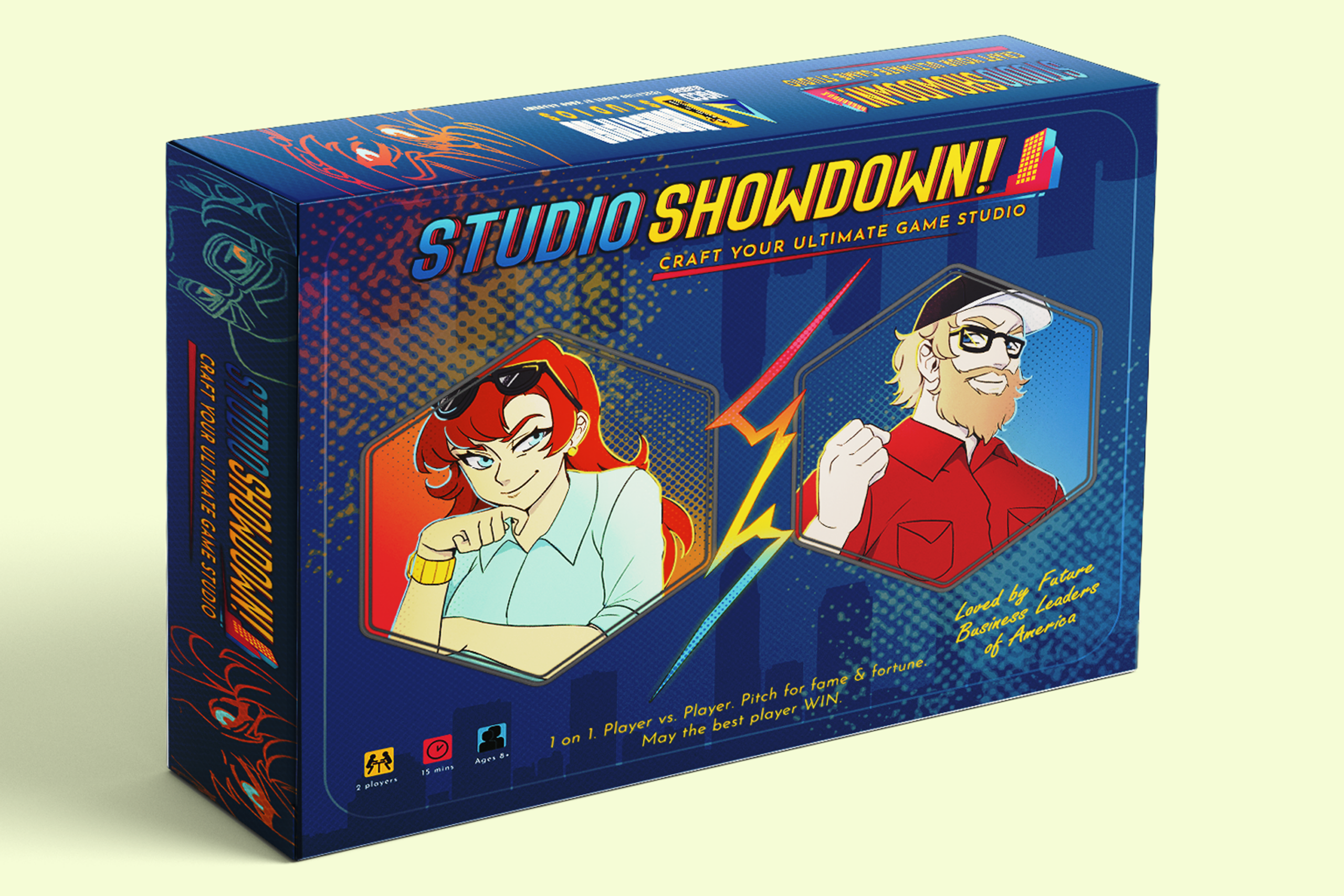
You want your students to feel the weight of their decisions before they hit the real world. This guide reveals how to transform dry theories into high-stakes, memorable learning experiences through tactical gameplay. We’ll break down how to use tools like the Studio Showdown Board Game to build ethical muscle. You’ll discover how to create a portfolio-ready experience where learners finally understand the long-term cost of short-term wins. Let’s step into the arena and turn ethics into a visual victory.
Key Takeaways
- Shift from passive observation to active responsibility by creating an “Ethical Sandbox” where moral failures build character without professional risk.
- Master how to teach business ethics using games by prioritizing tabletop simulations that leverage social friction and direct accountability.
- Ignite authentic classroom debates by assigning asymmetrical roles that force players to navigate conflicting interests under real-world pressure.
- Bridge the gap between gameplay and reality using Socratic debriefs that map tactical choices to 2026 headlines like AI ethics and data privacy.
- Leverage the Studio Showdown Board Game to transform abstract concepts like crunch culture into tangible, portfolio-ready leadership experiences.
The Psychology of Play: Why Games are the Ultimate Ethics Lab
Case studies are museum pieces. You’re a spectator. Games flip the script. They move you from third-person observation to first-person responsibility. This creates an Ethical Sandbox. It’s a high-fidelity, controlled space where moral failures have educational, not professional, costs. You crash the project, not the career. Understanding how to teach business ethics using games starts with this shift in perspective. You’re building a vision, not just checking a box. It’s a creative production where the learner is the lead actor.
Games trigger authentic emotional responses. When you’re forced to choose between a fiduciary duty to investors and a moral duty to staff, your brain reacts. It mirrors the 2024 Ethics & Compliance Initiative finding that 30% of employees feel pressure to compromise standards. If you want to know how to teach business ethics using games, you have to embrace this tension. Repetitive decision-making cycles build Moral Muscle Memory through the following dynamics:
- Immediate Feedback: Consequences manifest in minutes, not years.
- Social Friction: Peer judgment mirrors market reputation.
- Emotional Anchoring: Stressful wins and losses create lasting memories.
Safe Failure and the Freedom to Err
Forced altruism is a pedagogical dead end. Students always know the “right” answer on a multiple-choice test. In a competitive game, they show their true colors. Letting them play the villain reveals the structural weaknesses in their logic. Seeing the immediate fallout of a unethical choice creates a feedback loop that sticks. An ethical simulation is a low-risk, high-insight pedagogical tool that exposes the rot of short-term wins before they become real-world liabilities. It’s about exploring the dark corners of a concept to find the light.
From Abstract Theory to Visceral Consequence
Kant and Mill are no longer just names in a syllabus. They become strategies. In many business simulation games, win conditions are tied directly to these frameworks. If you play a purely Utilitarian game, you might win the round but lose the respect of your partners. Social standing in the game mirrors brand reputation in the 2026 marketplace. Peer-to-peer accountability creates a social friction that textbooks can’t simulate. You feel the heat. You see the fallout. Every choice is a frame in your professional story. It’s a visual victory for ethical clarity.
Choosing Your Medium: Digital Apps vs. Tabletop Simulations
Digital apps offer speed. They’re scalable. But they often suffer from the “Black Box” problem. The algorithm decides the outcome, hiding the messy “why” behind ethical fallout. If you want to understand how to teach business ethics using games, you must look at the social friction only a physical table provides. Looking a partner in the eye while you break a contract carries a weight no mobile app can replicate. It’s a showdown of character where every move is visible. Digital games are often solo missions, but business is inherently social.
Research on the effectiveness of using games to teach ethics highlights that social interaction drives deeper moral reasoning. While digital tools like “Dilemma” (updated January 2026) provide quick engagement, they lack the high-stakes negotiation found in strategy board games. In a tabletop setting, every player is an active participant in a shared production. You aren’t just clicking buttons; you’re managing reputations. This transparency prevents students from blaming “the computer” for their failures, forcing them to own their tactical choices.
The Case for Tabletop Integrity
Tactile engagement matters for retention. Holding physical tokens or currency makes financial risk visceral. When you lose a stack of “credits” because of a 2024 FCPA penalty, the loss feels real. Tabletop games allow for “House Rules,” letting educators tailor the experience to specific 2026 curriculum goals. This physical presence turns abstract theory into a premium, memorable experience. It’s about creating a visual victory that sticks long after the session ends. Physical components like cards and boards turn a lecture into a high-end production.
Hybrid Approaches for the 2026 Classroom
The best strategy is often a hybrid one. Use mobile apps for individual pre-work to establish the basics. Then, bring the group together for the physical “Showdown” finale. Managing classroom time requires precision. Setup and teardown are part of the production flow, ensuring the energy stays high. This approach maximizes the depth of how to teach business ethics using games while keeping the pace fast. You can see how business simulation games teach real-world skills by watching how students adapt their tactics in real-time. For instructors ready to level up, the Studio Showdown: Educator Edition provides the perfect framework for this transition.

Step-by-Step: How to Facilitate an Ethics-Focused Game Session
Directing a high-stakes ethics session is like managing a premium film production. You need a script, a set, and actors who feel the pressure. Mastering how to teach business ethics using games requires more than just handing out a board. You must engineer the tension. If the stakes aren’t high, the lessons won’t stick. Follow this tactical production plan to turn your classroom into a moral arena.
- Step 1: Set the Ethical Baseline. Define success before the first move. Is it pure profit, or does reputation determine the final score? Establishing this early ensures every choice has a measurable impact.
- Step 2: Assign Asymmetrical Roles. Distribute roles with conflicting interests. Put a Founder focused on long-term vision against an Investor demanding immediate returns. This mirrors the 2024 Global Business Ethics Survey finding that 30% of employees feel pressure to compromise standards.
- Step 3: Introduce Hidden Incentives. Give specific players secret goals. A “bonus” for cutting safety costs or a “shortcut” for stealing IP creates the temptation necessary for real learning.
- Step 4: Trigger the Crisis Event. Mid-game, inject a scenario that forces an immediate choice. A data breach or a regulatory audit (like the 2024 FCPA updates) demands a split-second moral judgment.
- Step 5: The Transparency Phase. Reveal the long-term consequences. Show how that “short-term win” in round two led to a total studio collapse by round ten.
Creating the ‘Incentive to Cheat’
Ethics is a muscle. It needs resistance to grow. A game with no temptation isn’t a lesson; it’s a lecture. You must balance the drive to win with the cost of losing integrity. For example, in Built an Empire: A Business Ethics Game, players navigate complex trade-offs that mirror real-world industry pressures. Whether it’s misleading investors or cutting corners on safety, the incentive to cheat must be enticing enough to make the eventual “moral showdown” feel earned. This is how to teach business ethics using games effectively: make the wrong choice look profitable until it isn’t.
Managing the Competitive Energy
Expect heat. Betrayals and heated debates are signs of engagement, not chaos. Your role as the facilitator is the “Ethics Auditor.” Monitor the gameplay for “Whistleblowing” opportunities. Encourage players to expose unethical rivals as a valid competitive strategy. This turns peer pressure into a tool for accountability. It mirrors the 86% reporting rate in strong ethical cultures identified by the Ethics & Compliance Initiative in 2024. Keep the pace fast. Keep the consequences visible. Every conflict is a frame in their professional development story.
The Post-Game Debrief: Turning Play into Professional Insight
The game is over, but the production isn’t finished. This is the editing room phase. The real transformation happens when the adrenaline fades and the analysis begins. Mastering how to teach business ethics using games requires a deep dive into the “why” behind every tactical move. If you don’t bridge the gap between the board and the boardroom, the experience remains just a game. You’re here to build professionals, not just players.
Use a Socratic Debrief to strip away the excuses. Don’t ask what happened; ask why they did it. Why did the CEO prioritize the short-term “win” in round four? Map these moments to 2026 business headlines. If a player ignored a data privacy warning to save credits, link it to the £300 million UK Serious Fraud Office penalties recorded in 2024. Use a Moral Report Card to score the session. Track three specific metrics: Reputation, Sustainability, and Profit. This creates a visual victory where students see that a high profit with a zero reputation score is a total production failure.
Organizations with effective training saw 49% higher employee trust in management in 2024. You achieve this by making the consequences transparent. Every “hidden incentive” revealed at the end of the game serves as a masterclass in risk assessment. It’s about showing the long-term cost of unethical shortcuts before they hit a real balance sheet.
Bridging Gameplay to the Boardroom
Game moves are business strategies in disguise. Teach your students to translate “negotiating a trade” into “Stakeholder Management” for their resumes. Identifying “Blind Spots” in the heat of the moment becomes “Crisis Mitigation” in a professional portfolio. Use this sample debrief question: “You chose to suppress the safety report to hit the launch date; how would you justify that decision to a 2026 regulatory board during an audit?” This forces a student to defend their character, not just their score. It turns a classroom moment into a high-stakes interview prep.
Portfolio Building for Aspiring Developers
Every session is a portfolio-ready asset. Aspiring entrepreneurs need to demonstrate soft skills like integrity and high-pressure negotiation. Implement a five-minute post-game reflective journal. Have students document their hardest choice and the long-term fallout. This evidence of “Moral Muscle Memory” is exactly what modern recruiters look for. These skills are the foundation of The Ultimate Business Board Game philosophy. You aren’t just playing; you’re producing a career.
Ready to transform your curriculum into a high-impact ethical arena? Order the Classroom Bundle and give your students the tactical edge they need to lead with integrity.
Studio Showdown: The Ultimate Ethics Sandbox for Game Devs
Studio Showdown is the final arena. It’s where abstract theory meets the pavement. This isn’t just a board game; it’s a high-stakes production simulator designed to answer how to teach business ethics using games with surgical precision. You aren’t just managing tokens. You’re managing the reputation and soul of a creative studio. Every move is a frame in your professional story. Every choice is a visual victory or a public collapse.
Crunch culture is the industry’s most dangerous moral minefield. In Studio Showdown, you face the direct choice: overwork your team to hit a 2026 release or delay and lose market share. Overworking might give you a short-term boost, but the long-term cost to your studio’s health is devastating. It mirrors the 2024 Ethics & Compliance Initiative findings that organizations with strong ethical cultures experience 40% less misconduct. You feel the heat of the deadline. You see the burnout in your results. This is how you build a vision that lasts.
Investor relations add another layer of pressure. The temptation to over-promise features to secure funding is a constant lure. But when the production fails to deliver, the fallout is public and permanent. This mirrors the reality where organizations lose 5% of their annual revenue to fraud and misconduct, according to the 2024 ACFE Report to the Nations. Studio Showdown forces you to outmaneuver rivals without losing your integrity. It’s a showdown of character where fair play is the ultimate competitive advantage.
Real-World Scenarios in a Box
Studio Showdown packs a full production cycle into a premium experience. It forces the “Founder’s Dilemma” onto every player. You must balance your artistic vision with the cold, hard reality of ethical business practices. It stands out among screen-free activities because it builds genuine business acumen through social friction and tactile accountability. You don’t just learn ethics; you live them. It’s a masterclass in entrepreneurship that fits on a classroom table.
Implementing the Educator Edition
The Educator Edition is the specialized tool for the modern classroom. It features modules specifically designed for ethics training and critical thinking. We offer bulk licensing for schools and workshops to ensure every student has a seat at the table. This is your chance to move beyond the visual noise of traditional lectures. Give your students a portfolio-ready experience that defines their career. Bring the ultimate ethics showdown to your classroom today.
Level Up Your Ethical Production
Theory is a script. Gameplay is the performance. You’ve seen how first-person responsibility and social friction transform abstract rules into visceral experiences. Mastering how to teach business ethics using games turns a dry lecture into a high-stakes showdown. It builds the moral muscle memory needed to combat the 5% annual revenue loss companies face due to fraud, as reported by the 2024 ACFE Report to the Nations. Your students don’t just learn. They lead.
It’s time to move your curriculum into the premium tier. Developed by VGCD Academy and DEMYSTIFIED Studios, our tools are currently used by leading entrepreneurship programs to build portfolio-ready skills. You’ll reduce screen time while creating a visual victory for your classroom. Every session is a production. Every choice is a frame in their future career. Don’t settle for mediocre case studies when you can offer a masterclass in integrity. You have the vision. Now you need the arena.
Upgrade your curriculum with the Studio Showdown: Educator Edition and watch your students take command of their ethical vision. Step into the arena. The next showdown starts now.
Frequently Asked Questions
What are the best board games for teaching business ethics to high schoolers?
Studio Showdown is the premier choice for high schoolers because it balances creative production with cutthroat business strategy. You can also look at “Moral Minefield,” which was listed for $24.25 at the Arizona State University bookstore in early 2026. These games move students away from abstract theory into tactile, high-stakes decision-making where every choice has a visible cost.
Can games really change someone’s ethical behavior in the real world?
Yes, games build “Moral Muscle Memory” by forcing players to live with the consequences of their choices in a safe environment. Active participation leads to deeper cognitive retention than passive listening. It’s about simulating the pressure of a real-world boardroom before the professional stakes hit. You’re training the brain to recognize ethical red flags in real-time.
How do I facilitate a business ethics game without it becoming too chaotic?
Use a structured “Production Schedule” to keep the competitive energy focused on the learning objectives. Assign clear roles like “Lead Designer” or “Financial Auditor” to distribute responsibility and prevent one player from dominating the table. Chaos happens when players don’t understand the win conditions; clarity is your best tool for managing the heat of the showdown.
Is there a difference between ‘gamification’ and ‘game-based learning’ in ethics?
Gamification adds points or badges to a traditional lecture, while game-based learning uses the game mechanics as the primary teacher. In ethics, gamification is just a leaderboard for a quiz. Game-based learning is a full-scale simulation where the mechanics themselves reveal the long-term cost of unethical wins. It’s the difference between a teaser and a feature film.
How much time should I allocate for a debrief after an ethics game?
Allocate at least 30% of your total session time for the debrief phase. If your gameplay lasts 60 minutes, spend 20 minutes in the “editing room” analyzing the tactical choices made at the table. This is where the gameplay transforms into professional insight. Without a structured debrief, the session remains just a game rather than a masterclass in integrity.
Are digital ethics games better than physical board games for Gen Z?
Physical board games are superior for Gen Z because they offer a high-impact break from digital noise. While 2026 mobile apps provide convenience, they lack the social friction of looking a peer in the eye during a negotiation. Physical presence increases accountability. It makes the ethical showdown feel authentic and prevents players from hiding behind an algorithm.
What are some common ethical dilemmas to include in a custom business game?
Focus on “Crunch Culture,” intellectual property theft, and the temptation to over-promise to investors. You should also include scenarios involving the 2024 EU Anti-Corruption Directive to keep the content relevant. These dilemmas force players to choose between immediate profit and long-term sustainability, mirroring the real-world pressures found in the modern creative industry.
How can I grade a student’s performance in an ethics-based game?
Grade the quality of the student’s reflection during the debrief rather than their final in-game score. Use a “Moral Report Card” to evaluate how they justified their choices under pressure. This shows you how to teach business ethics using games while maintaining academic rigor. Focus on the process of moral reasoning and the ability to identify the long-term consequences of their actions.