Your game’s first boss fight doesn’t happen in a dungeon or a space station. It happens in a boardroom. Securing funding for a video game project is the ultimate test of your vision’s durability. It’s the filter that separates hobbyists from industry titans. You’ve likely felt the sting of financial illiteracy or the fear of being laughed out of a pitch meeting. The confusion between equity and project funding is real, and the stakes in 2026 are higher than ever.
It’s a world where venture capital has tightened to $260 million in early 2026, yet the global market is surging toward $300 billion. You know your game belongs there; you just need the capital to build it. This guide is your tactical briefing. We’ll show you how to master the high-stakes world of game finance and turn your creative vision into a funded reality. From navigating the UK’s 34% expenditure credit to understanding why 95% of successful Kickstarters ask for under $100,000, you’re about to get a clear roadmap to a pitchable project. Get ready to negotiate with confidence and win the funding your vision deserves.
Key Takeaways
- Adapt to the 2026 landscape where a “good idea” is no longer enough; you need a bulletproof business case to power your production engine.
- Weaponize your pre-funding assets by developing a functional vertical slice and a business plan that proves financial literacy to skeptical partners.
- Navigate the high-stakes world of securing funding for a video game project by identifying the right match between indie publishers and crowdfunding validation.
- Execute the perfect 5-minute pitch using a 10-slide deck designed to hook investors and outmaneuver the competition.
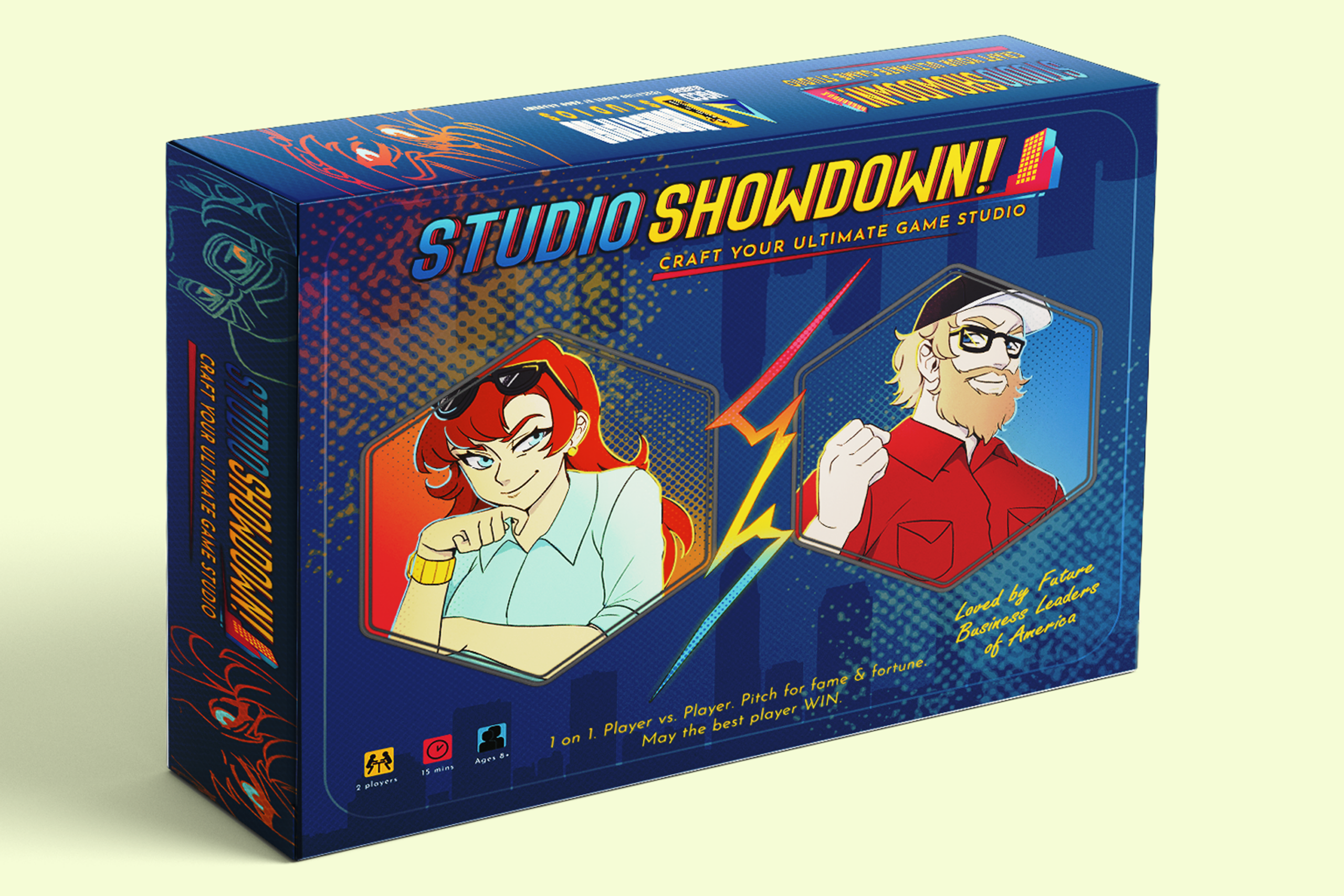
- Sharpen your entrepreneurial instincts and simulate real-world studio management through the strategic gameplay of the Studio Showdown board game.
Understanding the Video Game Funding Landscape in 2026
Funding isn’t a trophy for having a great idea. It’s the high-octane fuel that powers your studio’s production engine. In 2026, the industry has no patience for “visionaries” who can’t read a balance sheet. Securing funding for a video game project now demands a rigorous business case. You aren’t just selling a game; you’re selling a scalable return on investment. The market is crowded, noisy, and highly selective. To survive, you must treat your funding strategy with the same level of polish as your primary gameplay loop.
The current landscape has shifted toward sustainable “break-even” models. Investors have moved away from the “growth at any cost” mentality that defined previous years. They want to see a clear, data-backed path to recouping costs. If you can’t prove the math, you won’t get the check. This requires a deep understanding of the video game development process and where the money actually goes. Efficiency is the new sexy. Studios that demonstrate lean operations and smart resource allocation are winning the battle for capital.
You must also distinguish between project-based funding and equity-based funding. Publishers typically fund a specific title. They want that title finished, marketed, and sold. Investors, however, fund the studio itself. They’re buying into your future, not just your current build. Securing funding for a video game project means knowing which of these paths aligns with your long-term goals.
The Three Pillars of Capital: Publishers, Angels, and VCs
Publishers represent the traditional route. They focus on project completion, global marketing, and distribution. They take a significant cut of revenue, but they shoulder the massive burden of getting your game in front of players. It’s a partnership built on a single product’s success.
Angel Investors are high-net-worth individuals who often bet on the founder’s potential. They provide early-stage capital when the risks are highest. These deals are personal. They’re investing in your talent, your grit, and your ability to lead a team through the production trenches.
Venture Capital (VC) firms are looking for the next billion-dollar IP. They want high stakes and even higher rewards. They aren’t looking for a modest hit; they want a market-dominating titan. This is equity-heavy territory where the pressure to scale is relentless and the scrutiny is intense.
Why Funding is a Strategic Choice, Not a Desperation Move
Don’t take money because you’re starving. Take it because you’re ready to dominate. Desperation leads to predatory terms and lost creative control. Strategy leads to partnerships that elevate your vision. You must align your funding source with your studio’s soul. If you value independence, a demanding VC might be a nightmare. If you need massive reach, a publisher is your best ally.
Every dollar has a cost. You’re either giving up a slice of your future earnings or a piece of your company’s heart. Equity Financing is a trade of ownership for growth capital. It’s a permanent decision. Before you sign, ask yourself what you’re willing to sacrifice. Creative control and ownership are your most valuable assets. Don’t trade them for anything less than a guaranteed path to the top.
Building Your “War Chest”: Essential Pre-Funding Assets
Investors don’t buy dreams. They buy de-risked assets. Before you step into a pitch meeting, you need a war chest of materials that prove your project is a viable business, not just a creative whim. In 2026, the barrier to entry is professional-grade preparation. You’re competing against studios that have their pipelines, budgets, and market data locked down. If you want to succeed in securing funding for a video game project, you must present a package that screams competence. It’s about showing, not telling.
Your business plan is the backbone of this package. It proves you know how to spend the money you’re asking for. It should detail your production timeline, marketing strategy, and post-launch support. Investors look for a deep understanding of the 2026 competitive landscape. With the global market projected to hit $300 billion this year, you need to pinpoint exactly where your title fits. Is it a niche innovator or a genre-defining powerhouse? Clarity here is your greatest ally. Pixels are cheap. Talent is rare. Investors fund people first, so highlight your team’s pedigree and their ability to ship under pressure.
The Technical Vertical Slice vs. The Business Pitch
The vertical slice is your most powerful weapon. It’s a fully functional, polished segment of your game that represents the final quality. It proves you can actually build what you promised. This isn’t just about showing off a visual target; it’s about validating the “Fun Factor.” Use early testing data to show that players are already engaged. Whether you plan to pitch to publishers or want to successfully crowdfund your video game, this demo is the evidence that your core mechanics work. It sets the aesthetic and technical standard for the entire production.
Financial Projections and Burn Rates
Numbers don’t lie, and they’re the first thing a serious partner will scrutinize. You must calculate your “Burn Rate” with precision. This is the amount of cash your studio consumes every month. If you don’t know this number, you aren’t ready to talk money. Break your project into funded “levels” through milestone planning. Each milestone should represent a significant leap in progress, like a completed Alpha or a locked UI. Identify your risks early. Whether it’s tech debt or market shifts, show that you have a pivot plan. Managing these complexities is a skill that can be sharpened; many founders use tools like the Studio Showdown board game to simulate these high-pressure business decisions before real capital is on the line. Securing funding for a video game project is a game of strategy. Make sure you’ve played out the scenarios before the clock starts ticking.

Strategic Matchmaking: Finding the Right Funding Partner
Finding a funding partner is a high-stakes hunt. It isn’t just about the cash; it’s about the synergy. You need a partner who amplifies your vision, not someone who dilutes it. Securing funding for a video game project requires you to be as selective as the investors are. You’re entering a long-term relationship. Make sure the terms don’t turn into a cage. In 2026, the options are diverse, but each comes with a specific price tag beyond the dollar amount.
Indie publishers are the scouts of the industry. They provide the marketing muscle and distribution networks you likely lack. They take the noise off your plate. But look closer at the math. A deal with an advance means a lower revenue share, typically around 57.9% for developers. Without an advance, that share often jumps to 67.9%. It’s a trade-off between immediate security and long-term profit.
Don’t ignore the “free” money. Government grants and tax credits are non-dilutive, meaning you keep your equity. In the UK, the Video Games Expenditure Credit (VGEC) offers a 34% tax credit on qualifying costs. The UK Games Fund has a £28.5 million budget as of April 2026, offering grants up to £250,000. These are the lifeblood of sustainable indie growth. They keep your ownership where it belongs: with you. Strategic partnerships with hardware giants like Sony or Microsoft offer another path. Platform exclusivity deals can provide massive stability, though they limit your initial reach.
Crowdfunding platforms like Kickstarter or Indiegogo are for validation. They prove there’s a hungry audience before you commit years of dev time. Success rates hover around 41.98%. It’s a public battle. If you win, you have a community. If you lose, you have a lesson. Remember that 95% of successful game campaigns on Kickstarter asked for less than $100,000. Be realistic about what the crowd can provide.
Evaluating Publisher Deals: More Than Just a Check
A publisher check is just the start. Demand to see their marketing spend and QA commitment. Quality assurance can make or break your launch. Most importantly, fight for your IP. Owning your Intellectual Property is the difference between a one-hit wonder and a multi-decade franchise. Recoupment rates are the real battlefield. Ensure you aren’t the last person in the room to get paid after the publisher takes their cut.
The Venture Capital Gauntlet
VCs don’t want a nice game. They want a scalable empire. They’re hunting for 10x returns and the next billion-dollar IP. If you go this route, prepare for the board of directors. You’re giving up a seat at the table. VCs have exit strategies. They’ll eventually want to sell their stake. If your studio isn’t built for a massive exit, the VC gauntlet will crush you. Securing funding for a video game project through equity means you’re now in the business of building a company, not just a game.
Mastering the Pitch: How to Outmaneuver the Competition
Pitching is combat. It’s the moment your creative vision meets the cold reality of capital. You aren’t just presenting; you’re competing for a limited pool of resources in a market that doesn’t forgive mediocrity. You have precisely five minutes to hook an investor before their attention drifts to the next project in their inbox. Securing funding for a video game project requires more than just a polished trailer. It requires a performance that proves you’re a safe bet in a high-risk industry. You need to be fast, precise, and undeniable.
Mastering “The No” is part of the game. Every rejection is a data point. If an investor passes, find out why. Is your burn rate too high? Is your genre oversaturated? Use that feedback to upgrade your strategy for the next room. When you finally reach the negotiation stage, know your walk-away price. Never enter a boardroom without a floor. If a deal demands too much equity or strips away your creative soul, have the courage to leave. Your IP is your legacy; don’t trade it for a bad check.
The Anatomy of a Winning Pitch Deck
A 10-slide deck is the industry standard. It must be a visual narrative of success. Start with the Problem and Solution slide. Why does the 2026 market need your game? What gap are you filling that others have missed? Next, hit them with the Traction slide. Show your Steam wishlists, your social following, and raw playtest feedback. Proof of community is proof of profit. Finally, be surgical with “The Ask.” Don’t just ask for “money.” State the exact amount you need and provide a breakdown of how it accelerates your journey to the gold master. Precision builds trust.
Simulation vs. Reality: Practicing the High-Stakes Conversation
You can’t wing a million-dollar meeting. You must roleplay the Q&A session until your answers are instinctive. Anticipate the brutal questions about your tech stack, your retention hooks, and your exit strategy. Financial literacy is your shield in these conversations. If you can’t explain your EBITDA or your user acquisition costs, you’ll be eaten alive. Developing these critical thinking skills is essential for any founder. Many developers find that Mastering the Board: Strategy Board Games offers a unique way to sharpen the tactical mindset needed for these high-stakes encounters.
To truly prepare for the pressures of the industry, you need to live the experience before the stakes are real. You can master the high-stakes game of studio management by using the Studio Showdown board game to simulate every triumph and crisis of the development cycle. Don’t let your first real pitch be your first time fighting for your studio’s life. Practice the loop, refine your tactics, and walk into that boardroom ready to win.
Mastering Entrepreneurship Through Play: The Studio Showdown Method
Theory is a ghost. In the high-stakes world of game production, you don’t want your first major mistake to cost you a million dollars in capital. You need a training ground. Studio Showdown turns the brutal reality of the game industry into a tactical board game experience. It’s where you learn the language of power before you step into the light. This isn’t just about moving pieces on a board. It’s about simulating the high-pressure environment of a modern production house. You’ll face the same binary choices that break real studios every day.
Mastering the art of securing funding for a video game project is a skill that requires repetition. Studio Showdown forces you to manage burn rates, scout top-tier talent, and outmaneuver rivals who want your market share. You’ll learn how to balance the books while keeping your creative vision alive. Educators and parents are now using the Studio Showdown: Educator Edition and the Classroom Bundle to build professional portfolios. They recognize that business acumen is just as vital as a clean codebase in 2026. If you can’t manage a simulated budget, you aren’t ready for a real one.
The “Flight Simulator” for Game Developers
Fundraising is a mental game. Studio Showdown gamifies the stress of the pitch. It offers a low-stakes environment with high-level learning outcomes. You’ll master the complex vocabulary of venture capital while building your digital empire. It’s about understanding the internal pulse of a studio. You’ll learn when to pivot and when to double down on a project. Check out our Ultimate Business Board Game guide to see how simulation beats dry theory every single time. Practical experience is the only way to survive the production trenches.
From the Tabletop to the Boardroom
Confidence is the silent closer in every deal. When you play as a studio founder, you face the “Founder’s Dilemma” head-on. You must weigh the lure of quick cash against the long-term value of your IP. By the time you reach a real boardroom, you’ve already lived these scenarios. You’ll speak the investor’s language because you’ve practiced it. This is a crucial step in securing funding for a video game project. You’ll walk into meetings as an experienced leader, not a desperate dreamer. Ready to lead your studio to victory? Get your copy of Studio Showdown today and start building your legacy.
From Visionary Artist to Studio Founder: Your 2026 Launchpad
The era of the “starving artist” is over. In 2026, the industry belongs to those who treat their studio like a fortress. Securing funding for a video game project is no longer a mystery. It’s a calculated sequence of tactical moves. You’ve mastered the landscape. You’ve built your war chest. You’ve learned to outmaneuver the competition. Now, you need the founder’s instinct to close the deal and survive the production trenches. Success demands a business case that is as polished as your primary gameplay loop.
Don’t let your first real boardroom encounter be a lesson in failure. Preparation is the only thing that separates a funded reality from a forgotten prototype. Developed by VGCD Academy and DEMYSTIFIED Studios, Studio Showdown provides hands-on learning for aspiring founders. It’s already being used in classrooms globally to build real-world business acumen through high-stakes simulation. You’ll learn to manage the risks and rewards of the industry before a single dollar of real capital is at risk.
It’s time to stop dreaming and start leading. Master the business of games with Studio Showdown and turn your production engine into a market-dominating powerhouse. Your creative vision is ready for the world. Now, give it the financial foundation it deserves. The boardroom is yours for the taking.
Frequently Asked Questions
How much funding can a first-time indie game developer realistically expect?
Realistically, first-time developers should target between $20,000 and $250,000 depending on the source. The UK Games Fund offers grants up to £250,000, while 95% of successfully funded game campaigns on Kickstarter ask for less than $100,000. Aiming higher without a proven track record often leads to rejection. Focus on a lean budget that covers your vertical slice and early production milestones.
What is a “vertical slice” and why is it mandatory for securing funding?
A vertical slice is a fully functional, polished segment of your game that showcases final quality. It’s mandatory because it proves you can actually build the mechanics you’ve promised. Investors in 2026 won’t gamble on potential without seeing a technical proof of concept. It validates your team’s ability to execute and provides the data needed to measure player engagement.
Should I give up equity in my studio or look for project-based funding?
Choose equity if you want to scale your entire studio; choose project-based funding if you want to keep ownership of your company. Equity financing involves trading a percentage of your studio for growth capital and often includes a seat on your board. Project funding, usually from publishers, focuses on a single title’s completion and marketing. It’s a choice between long-term studio expansion and immediate creative independence.
Can I secure funding for a video game project with just a script or concept art?
No, scripts and concept art are no longer enough to win over serious investors. The 2026 market demands evidence of execution. Securing funding for a video game project requires a functional prototype or a vertical slice at minimum. Ideas are abundant, but the ability to ship a playable product is rare. You must prove the fun factor through gameplay before asking for capital.
What are the most common reasons investors reject video game pitches?
Rejection usually stems from high burn rates, lack of market analysis, or a weak team structure. Investors look for a clear path to break even, not just a creative dream. If your pitch lacks data on user acquisition costs or ignores the 2026 competitive landscape, you’ll be passed over. They want to see that you understand the business of games as much as the art.
How do I protect my game idea while pitching to publishers and VCs?
Protect your idea by focusing on your unique execution rather than just the concept. While you can use Non-Disclosure Agreements (NDAs), many venture capital firms won’t sign them at the initial pitch stage. Copyright your code, art assets, and lore early. Remember that your team’s specific talent and your vertical slice are your true competitive advantages that cannot be easily stolen.
Is crowdfunding still a viable way to fund a video game in 2026?
Crowdfunding remains a powerful validation tool with an overall success rate of 41.98% on Kickstarter. It’s best used to build a community and prove demand to future partners. Successfully securing funding for a video game project through the crowd requires a realistic goal and a massive marketing push. It’s a public test of your game’s marketability before you go into full production.
What financial skills do I need to learn to run a successful game studio?
You must master burn rate calculation, milestone-based budgeting, and recoupment math. Understanding tax credits, like the UK’s 34% Video Games Expenditure Credit, is also vital for non-dilutive funding. You don’t need to be an accountant, but you must be able to explain your financial roadmap with confidence. Simulation tools can help you practice these high-stakes decisions in a safe environment.