Most after-school programs are just expensive holding pens where creativity goes to die. You see it every day. Students are drowning in screen-time fatigue, while you’re left managing the friction of a curriculum that feels decades out of date. It’s a grind that yields little more than bored faces and average results. You know your students deserve a professional edge, but finding high-impact after-school program activity ideas that actually stick is a constant battle.
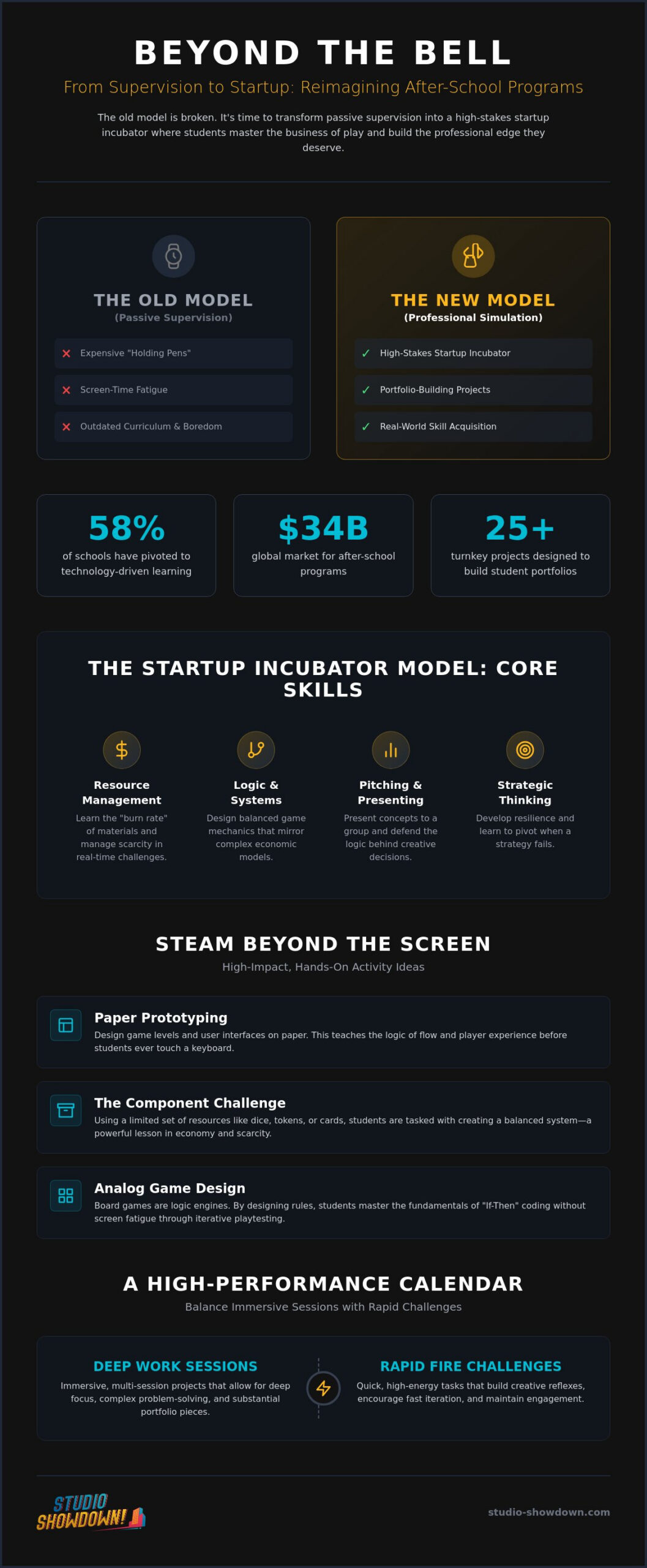
We’re here to change the narrative. In 2026, nearly 58% of schools have pivoted to technology-driven learning, and it’s time your program led the charge. This isn’t about simple supervision; it’s about building a high-stakes startup incubator. We’ll show you how to transform your space into a production studio where students master the business of play. You’ll discover 25+ turnkey projects designed to build student portfolios, earn glowing parent feedback, and ensure your program stands out in a $34 billion global market. Let’s build the next generation of founders.
Key Takeaways
- Shift your mindset from passive supervision to professional simulation to maximize student retention and eliminate boredom.
- Master tactile tech through low-cost paper prototyping and system design challenges as high-impact after-school program activity ideas.
- Adopt the “Startup Incubator” model to teach teens essential entrepreneurship skills like resource management and pitch-deck delivery.
- Curate a high-performance calendar by balancing immersive “Deep Work” sessions with “Rapid Fire” challenges under a cohesive season theme.
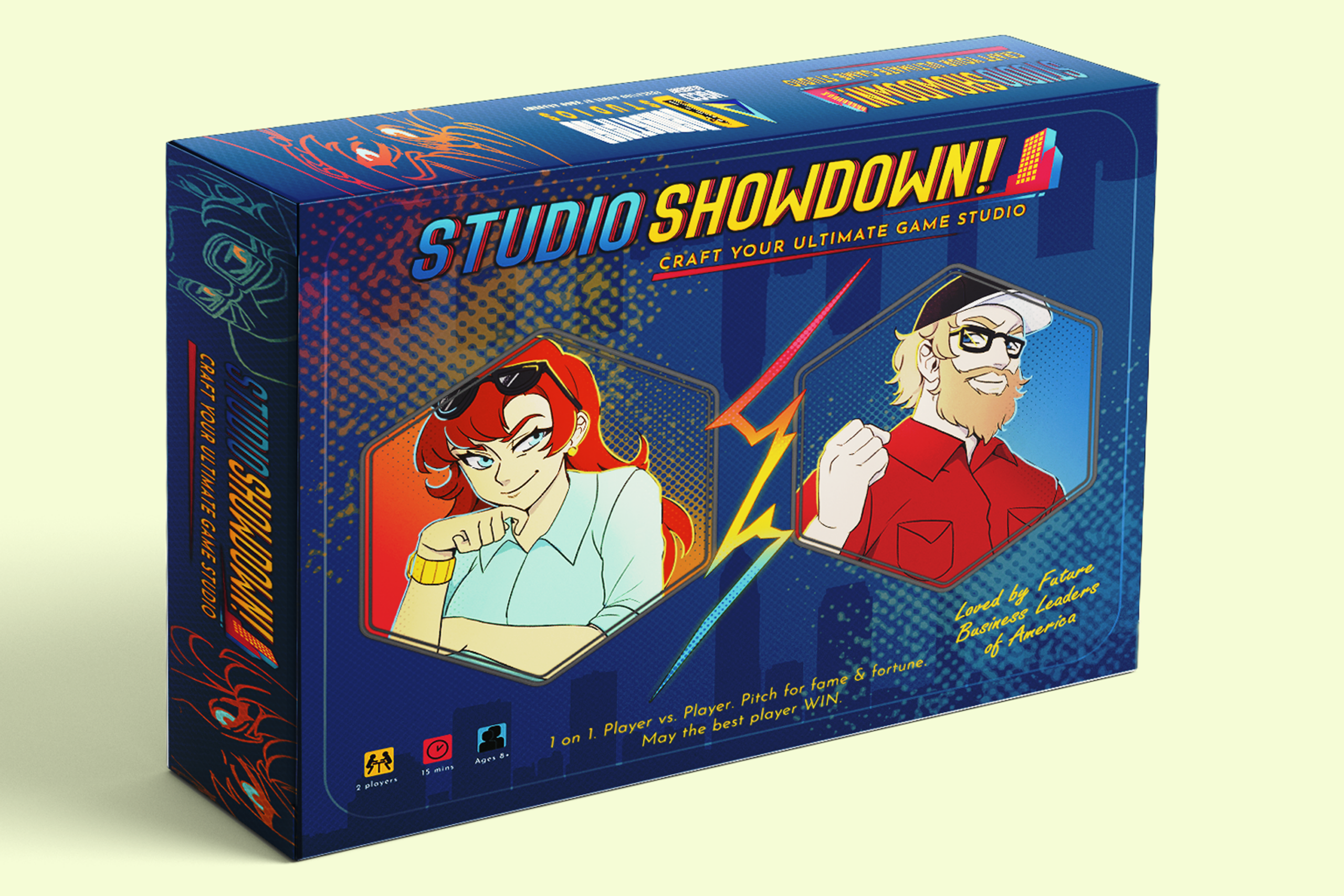
- Integrate professional-grade tools like Studio Showdown to bridge the gap between casual play and real-world creative industry mechanics.
Reimagining the After-School Hour: From Supervision to Skill-Building
The old model of after-school supervision is a relic. In 2026, parents aren’t just looking for a safe place for their children to wait for the workday to end. They’re looking for an edge. With the global market for after-school programs projected to reach $34.46 billion this year, the demand for high-quality, result-driven engagement has never been higher. Stop thinking about childcare. Start thinking about a professional simulation. This shift requires a “Showdown” mindset, where every hour spent after 3:00 PM is an investment in a student’s future as a founder, creator, or leader.
Success in this new era isn’t measured by how quiet a room is. It’s measured by the buzz of collaboration and the grit shown during a difficult challenge. We’re moving beyond “fun” as the primary metric. Instead, we’re targeting measurable soft-skill acquisition: negotiation, strategic thinking, and emotional intelligence. Implementing high-octane after-school program activity ideas isn’t just about killing time; it’s about creating a high-energy environment where the stakes feel real and the rewards are tangible.
The Psychology of Engagement in 2026
Gen Alpha and Gen Z don’t respond to busy work. They crave agency. They want to know that their projects have real-world impact. Research shows that nearly 58% of schools now incorporate technology-driven learning, but the real magic happens when you add a layer of healthy competition. Competition isn’t about winning or losing; it’s about resilience. It’s about learning how to pivot when a strategy fails and how to celebrate a teammate’s breakthrough. When students have a goal-oriented project, boredom disappears. They aren’t just participants. They’re stakeholders.
Building a Professional Portfolio After 3:00 PM
What if an after-school program could be the strongest line on a college application? By focusing on professional-grade after-school program activity ideas, you help students build a portfolio before they even hit high school. We’re identifying “hard skills” in spaces where others only see play.
- Resource Management: Learning the “burn rate” of materials during a build.
- Logic and Systems: Designing balanced game mechanics that mirror economic models.
- Pitching: Presenting a concept to a group and defending the logic behind it.
Creating a culture of pitching and presenting turns every idea into a professional milestone. It’s time to treat the classroom like a studio and the students like the innovators they are destined to become.
STEAM Beyond the Screen: Tactile Tech and Game Design Activities
Screens are exhausting. In a world where Gen Alpha spends hours in digital loops, the most effective after-school program activity ideas prioritize tactile, hands-on creation. We aren’t just making crafts. We’re building systems. Start with paper prototyping. Forget the code for a second. Give your students index cards, markers, and a set of constraints. Let them design a game level or a user interface on paper. This teaches them the logic of flow and player experience before they ever touch a keyboard.
The “Component Challenge” takes this further. Hand out a limited set of resources, like dice, tokens, or cards, and task students with creating a balanced system. It’s a lesson in economy and scarcity. Add a sound design workshop. Use everyday objects to record foley. A crinkling bag becomes a forest fire. A sliding chair becomes a spaceship hatch. This is narrative architecture in action. If you want to see an example of a professional production environment for audio and sound, click here. By the time they move to collaborative world-building, they aren’t just telling stories. They’re building worlds with depth and texture.
While youth entrepreneurship programs are booming, many fail by staying too theoretical. We bridge that gap through production and User Experience (UX) testing. Students should critique each other’s physical builds. It builds empathy and analytical thinking. They learn to see through the eyes of the user, a skill that’s vital for any future founder.
Analog Game Design as a Coding Foundation
Board games are logic engines. Every rule is an “If-Then” statement. By designing board game rules, students master the fundamentals of coding without the screen fatigue. It requires constant playtesting and iterative design. They see immediately when a rule breaks the game. For inspiration, explore our guide to strategy board games to see how professional mechanics drive engagement.
The Aesthetic of Production
A product is only as good as its presentation. Students should dive into graphic design for their game boxes and marketing materials. They create brand logos. They sketch characters. If you have access to 3D printing, let them manufacture their own game pieces. This turns a simple idea into a physical reality. It’s professional-grade production. It’s about seeing a project through from the first sketch to the final box. If you want a turnkey way to implement these after-school program activity ideas, look for tools that mirror these industry standards and challenge your students to excel.
The Startup Incubator Model: Teaching Entrepreneurship Through Play
Forget lemonade stands. We’re training the next generation of studio leads. In 2026, high-impact after-school program activity ideas must mirror the high-stakes world of venture capital and creative production. By treating your classroom as a startup incubator, you give students a safe space to fail, pivot, and dominate. This isn’t about theory. It’s about a semester-long pitch competition where students build their own creative studios from the ground up. They aren’t just playing. They’re simulating a career.
Innovative youth entrepreneurship programs are already proving that when you raise the stakes, students rise to the challenge. They need to understand the burn rate of their resources. If they spend too much on visual assets early, they won’t have the capital to launch. This is resource management in its purest form. When a simulated game launch fails, they don’t just give up. They execute a pivot. They learn to change strategy, rebrand, and find a new market niche. These after-school program activity ideas turn abstract business concepts into a high-energy showdown for market dominance.
Financial Literacy in the Creative Economy
Most programs teach financial literacy through simple savings. We go deeper. We teach the risks of funding and the reality of ROI. Students shouldn’t just hope for success. They should calculate it. We move beyond the easy money game mentality where luck is the primary driver. Instead, we use sales simulations to show how strategic positioning and resource allocation determine the winner. They learn that in the creative economy, a good idea is only as strong as the financial strategy behind it.
Leadership and Team Dynamics
A studio is only as strong as its team. Assigning specific roles like CEO, Lead Designer, and CFO forces students to navigate the complexities of professional leadership. They encounter the Founder’s Dilemma: how to balance a creative vision with the harsh reality of what the market actually wants. Conflict resolution becomes a survival skill. When two leads disagree on a design choice, they have to negotiate or risk the entire project’s burn rate. This builds an emotional intelligence that traditional classrooms rarely touch. It’s about grit, collaboration, and the relentless pursuit of a visual success.
Curating Your Activity Calendar: A Strategy for Maximum Engagement
Randomness is the enemy of retention. If your after-school program activity ideas feel like a series of disconnected Tuesdays, your students will check out. Professional creators don’t work in a vacuum; they work in seasons. To build a high-stakes environment, you must curate a calendar that mirrors a product launch cycle. This structure transforms the “after-school hour” into a mission with a clear beginning, a tense middle, and a triumphant end. It’s about narrative progression.
Follow this five-step strategy to keep engagement at a peak:
- Define the Season Theme: Give the semester a name, like “The Indie Game Gold Rush” or “The Studio Showdown.” This sets the visual and conceptual tone for every project.
- Balance the Pacing: Mix “Deep Work” sessions, where students focus on intricate design, with “Rapid Fire” challenges that require 15-minute pivots.
- Bring in the Pros: Schedule virtual sessions with local mentors or industry experts. Seeing a real-world application of their work validates the effort.
- Host the Showdown: Every season must culminate in a high-energy event. Invite parents and peers to a pitch night or a game launch.
The Screen-Free Advantage
Digital fatigue is real. In 2026, the most innovative programs are reclaiming the physical space. Tactile activities improve social-emotional learning by forcing face-to-face negotiation and collaboration. You can combat screen-time exhaustion by integrating screen-free activities that challenge the mind without a blue-light glow. Create “Analog Zones” specifically for intense brainstorming. When students use their hands to build systems, the logic sticks. It’s a premium experience that parents value and students crave.
Scaling for Different Group Sizes
Whether you’re managing a small group of five or a massive cohort of 50, your startup simulations must scale. For larger groups, break the classroom into competing “studios.” Each studio operates independently but competes for the same simulated market share. This keeps the energy high and the dynamics manageable. If you’re looking for a budget-friendly way to implement these high-concept after-school program activity ideas, utilize multi-unit solutions. Equip your space with a Classroom Bundle to ensure every student has the tools to compete, create, and win without breaking your operational budget.
Studio Showdown: The Ultimate Turnkey After-School Solution
Randomness kills momentum. Structure builds founders. While searching for the right after-school program activity ideas can feel like a full-time job, you need a system that works as hard as your students do. Studio Showdown isn’t just a diversion. It’s a professional engine designed to bridge the gap between casual play and the high-stakes reality of the creative industry. We’ve distilled the complexities of studio management into a high-octane experience that fits perfectly into your afternoon schedule.
The core of this transformation is our business board game. This isn’t a roll-and-move relic. It’s a sophisticated simulation where the mechanics mirror the actual industry. Students face real-world variables like burn rates, resource scarcity, and market volatility. For the facilitator, the Studio Showdown: Educator Edition removes the guesswork. It provides comprehensive lesson plans and guides designed for non-gamers. You don’t need to be a design expert to lead a world-class session. You just need the right roadmap. Programs that have integrated our system report a total culture shift. Boredom is replaced by a relentless drive for market dominance.
A Hands-On Learning Experience
Students don’t just participate in our after-school program activity ideas; they inhabit them. By acting as studio founders, they navigate the treacherous path to market dominance. The gameplay forces them to master fundraising and pitching under pressure. They aren’t just rolling dice. They’re outmaneuvering rivals. Strategic positioning becomes a survival skill. Every move is a lesson in risk assessment and competitive intelligence. They learn that in the creative economy, vision is nothing without execution.
Implementation and Bulk Support
We don’t just sell games. We build partners. We offer professional development and workshop options to ensure your staff can facilitate with confidence and authority. For schools, libraries, and large-scale organizations, we provide institutional bulk licensing to fit your specific needs. The Classroom Bundle is the definitive “Studio in a Box.” It’s a complete, turnkey solution that equips your space with everything needed to launch a professional-grade incubator. This is how you move your program above the visual noise of mediocre childcare. This is how you build the next generation of industry leaders. Stop supervising. Start producing.
The Future of After-School Starts Now
You’ve seen the roadmap. You know that shifting from passive supervision to a high-stakes startup incubator isn’t just an option; it’s a necessity. By prioritizing tactile tech and structured competitive play, you’re giving students the agency they crave. These after-school program activity ideas transform your space into a professional production studio where measurable soft skills are the primary currency. You’re no longer just managing a room. You’re incubating the next wave of industry leaders.
Don’t settle for mediocre childcare. Our system was developed by VGCD Academy and is already used in STEM and business curricula nationwide. It offers authentic, hands-on learning for aspiring game developers who want to master the business of play. It’s time to elevate your program and build a culture of visual success. Bring the Showdown to your program with our Classroom Bundle and watch your students become the founders they were meant to be. The next generation is waiting for a challenge. Let’s get to work.
Frequently Asked Questions
What are the best after-school activities for middle schoolers in 2026?
High-impact after-school program activity ideas for middle schoolers now focus on AI literacy, robotics, and creative production. Students want agency. They respond best to projects that mirror real-world industry, like designing game mechanics or managing simulated resource budgets. Research shows nearly 58% of schools now incorporate technology-driven after-school learning. This shift requires moving away from passive crafts toward active, skill-based simulations that build a professional edge.
How can I teach entrepreneurship to students without a textbook?
Use the startup incubator model. Students learn best through doing, not reading. Assign specific roles like CEO or Marketing Director. Let them navigate a semester-long pitch competition where they must defend their logic to a group. This hands-on approach teaches “burn rates” and market positioning far more effectively than any lecture. It turns the classroom into a high-energy showdown for market dominance.
Are there after-school activities that help with college applications?
Yes, activities that result in a tangible portfolio are gold for admissions. When students document their journey as a studio founder, they demonstrate leadership and grit. Identifying “hard skills” in after-school program activity ideas, like strategic negotiation or financial ROI analysis, provides concrete evidence of professional acumen. These roles translate directly to college essays and interviews, showing a maturity that standard extracurriculars often lack.
How do I reduce screen time in my after-school program?
Reclaim the physical space with analog zones. Focus on tactile tech like paper prototyping or sound design using physical objects. Combatting digital fatigue requires activities that challenge the mind without a blue-light glow. Strategic board games provide an intense mental workout while forcing face-to-face collaboration. It’s a premium experience that improves social-emotional learning and breaks the cycle of screen exhaustion.
What is game-based learning and how does it work after school?
Game-based learning uses game mechanics to teach complex systems and logic. It isn’t just about fun. It’s about practicing decision-making in a safe environment. After school, this works by turning curriculum points into game rules. Every move requires a calculation of risk and reward. Students master the “if-then” logic of coding and the strategic positioning of business without feeling like they’re in a traditional lesson.
How can I fund new equipment for my after-school program?
Look for state and private grants. In California, the ASES grant program offers significant funding with deadlines in late 2026. The New York Life Foundation also awards $20,000 grants to programs serving middle school youth. Many providers request more than double the available funding, so your application must highlight unique, high-impact outcomes. Focus on how your program builds career-relevant skills to stand out.
Can board games really teach professional business skills?
Professional-grade board games are logic engines that mirror the creative economy. They teach resource management, burn rates, and ROI through balanced systems. Students must outmaneuver rivals and pivot when a strategy fails. Unlike simple luck-based games, these simulations require deep strategic thinking and emotional intelligence. It’s an effective way to practice high-stakes business decisions without the real-world financial risk.
What is the “Studio Model” of after-school enrichment?
The Studio Model treats the classroom like a professional production house. Every project has a deadline, a budget, and a visual goal. Students aren’t just kids in a program; they’re creators in a studio. This model emphasizes collaborative world-building and narrative architecture. It creates a high-energy environment where the stakes feel real, ensuring every hour spent after school is an investment in professional acumen.